Unraveling Ties Between Reflex Skills and Strategic Planning in Browser Multiplayer Games
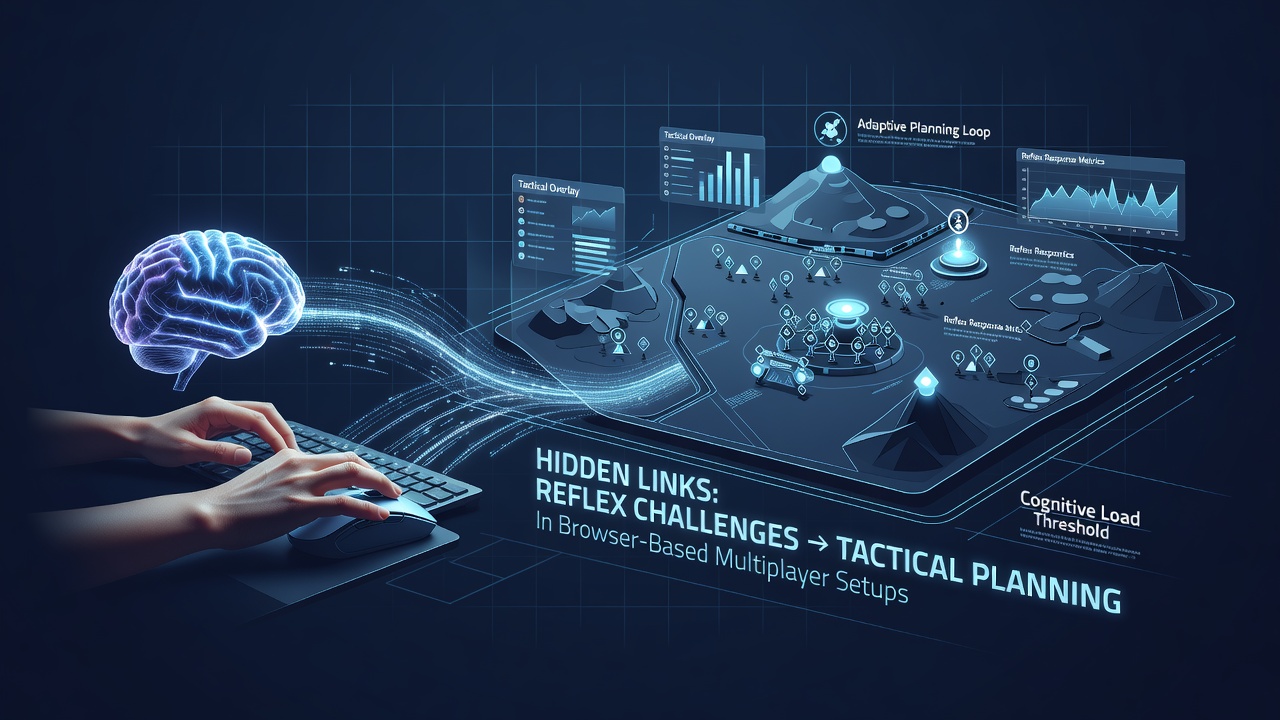
Browser-based multiplayer setups combine rapid response demands with layered decision making in environments where players compete or cooperate through web browsers without downloads. Reflex challenges appear in the form of timing clicks, dodging incoming threats, and executing split-second commands while tactical planning involves resource allocation, positioning units, and anticipating opponent moves over extended sessions.
Core Elements of Reflex Challenges
Reflex challenges surface when game mechanics require immediate physical responses to visual or auditory cues, such as selecting targets in fast-paced skirmishes or adjusting formations during sudden shifts in battle lines. Data from industry reports indicates these elements test hand-eye coordination and reaction times that often fall between 200 and 400 milliseconds for average participants, according to aggregated player performance metrics shared by gaming associations.
Multiple titles integrate these demands through core loops where delays in action lead to lost advantages, yet the same systems reward those who chain reactions into sustained advantages. Observers note that successful players maintain consistent response rates across sessions lasting 30 minutes or longer, blending raw speed with pattern recognition that emerges from repeated exposure.
Foundations of Tactical Planning
Tactical planning in these setups centers on long-term positioning, economy management, and alliance formation that unfold across multiple rounds or persistent worlds. Players allocate limited resources while monitoring map changes and opponent behaviors, creating strategies that adapt as new information arrives through chat systems or shared vision tools.
Studies from research institutions show that planning depth correlates with win rates in competitive modes, where participants who spend initial minutes scouting rather than rushing achieve higher placement in ranked leaderboards. These approaches rely on mental models built from prior matches rather than isolated quick actions.
Interconnections Between the Two
Hidden links emerge when reflex actions serve as the execution layer for broader tactics, allowing players to implement planned maneuvers under pressure. For instance, a pre-set defensive perimeter succeeds only if quick unit selections occur during an enemy push, turning abstract strategy into concrete outcomes on the field.
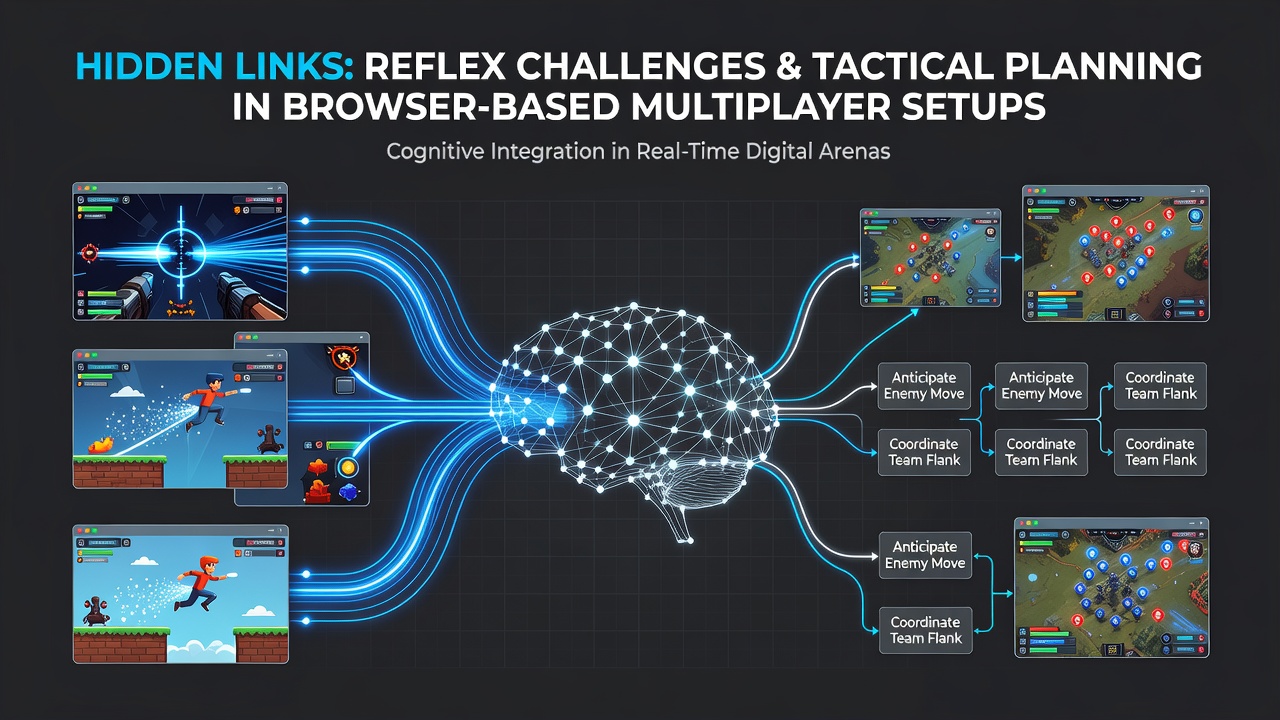
What's interesting is how successful participants use reflexes to gather real-time data that refines their tactics mid-match. A rapid flank maneuver might reveal enemy weaknesses, prompting an immediate shift in overall approach without pausing the flow of play. Research indicates players who excel at this integration often maintain higher average scores across both reaction-based mini-games and strategy-heavy campaigns.
Browser constraints add another layer since limited input methods, such as mouse and keyboard combinations, force efficient command sequences that reward practiced reflexes while supporting complex planning trees. Those who've analyzed match replays find that top performers execute 15 to 20 percent more actions per minute during critical phases without sacrificing strategic coherence.
Evidence from Current Trends
Figures released by the Interactive Games and Entertainment Association reveal steady growth in browser multiplayer participation through 2025, with projections extending into June 2026 when several platforms plan seasonal updates that heighten reflex-tactic overlaps through new event modes. These updates introduce hybrid objectives where quick captures feed into larger territorial control systems.
Academic analyses from European universities have examined logs from thousands of sessions and identified consistent patterns where early reflex successes create momentum for later tactical dominance. Players who secure initial objectives through fast responses gain resource edges that enable more flexible long-term plans, closing loops between the two skill sets.
Practical Examples in Popular Setups
Games featuring persistent maps demonstrate these connections clearly, as teams coordinate quick strikes on resource nodes while simultaneously adjusting supply lines for upcoming conflicts. One documented case involved a European server group that used timed reflex responses during peak hours to disrupt rival economies, setting up a multi-day tactical advantage.
Similar dynamics appear in shorter matches where planning occurs in the background through preset formations, activated via rapid inputs when opportunities arise. Data shows that groups practicing combined drills improve both reaction benchmarks and win percentages simultaneously rather than trading one skill for the other.
Conclusion
The connections between reflex challenges and tactical planning in browser-based multiplayer setups rest on execution pathways that convert planned strategies into live results under time pressure. Available evidence points to measurable benefits when players develop both areas together, with ongoing platform developments through mid-2026 expected to expand these integrated mechanics further across accessible web environments.