Tracing Strategy Layers in Browser Racing Quests and Sports Simulations
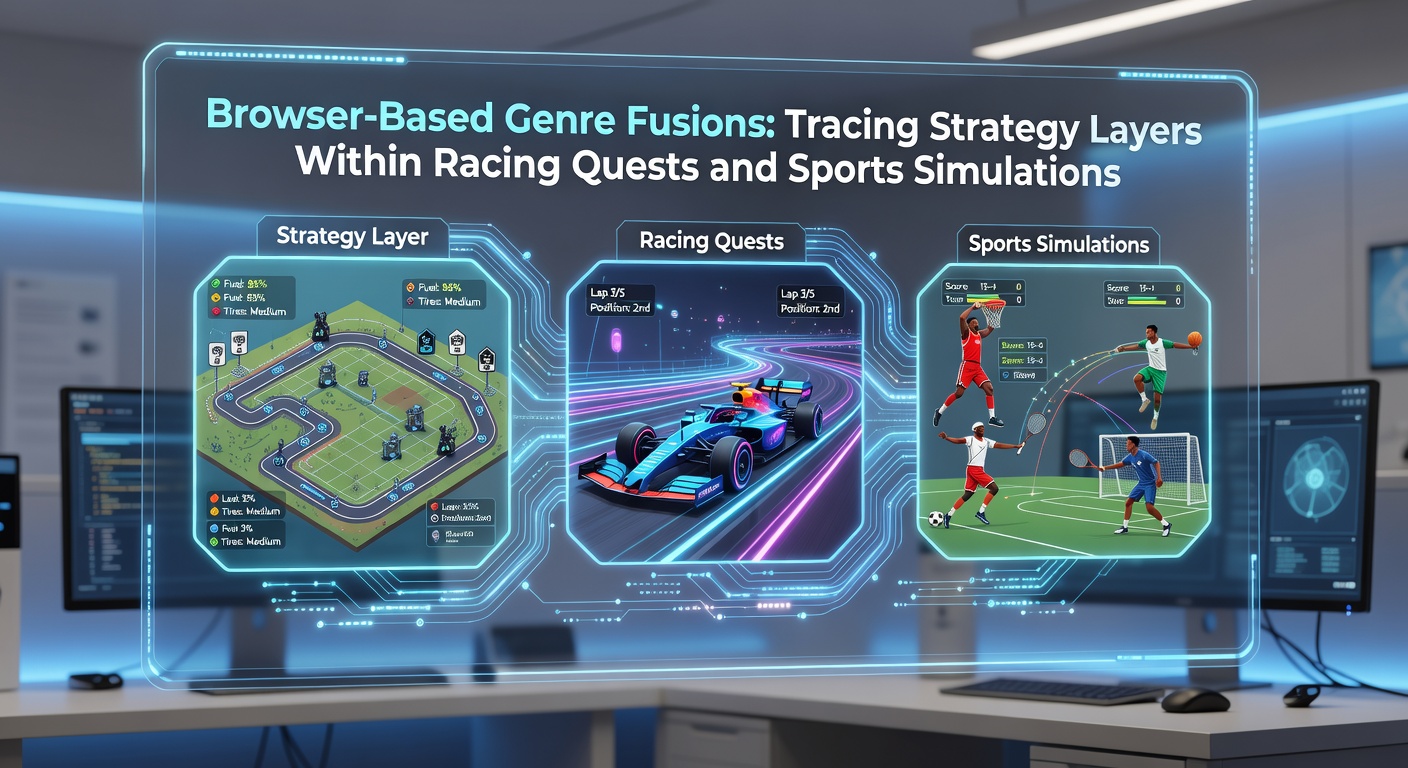
Browser platforms continue to host intricate blends where racing quests incorporate decision trees and resource management systems that echo traditional strategy titles, while sports simulations embed tactical planning within real-time athletic sequences; these fusions have expanded steadily through 2025 and into May 2026 as developers refine cross-genre mechanics for broader accessibility.
Developers often layer route selection algorithms and vehicle upgrade paths onto core racing loops, which forces participants to weigh fuel efficiency against speed bonuses before each lap begins. Data from industry trackers shows browser titles in this category attract millions of monthly sessions because the added depth extends playtime without requiring downloads or installations.
Mechanics That Merge Racing Quests With Strategic Depth
Racing quests in browser environments typically present branching pathways where players allocate limited points to terrain analysis, opponent prediction, or temporary boosts; each choice alters subsequent race conditions in measurable ways. Researchers at academic institutions note that these systems draw from established strategy frameworks yet adapt them to shorter session lengths suited for web play.
One documented example involves a title where drivers must manage a shared inventory of parts across multiple events, deciding whether to repair damage immediately or save components for later challenges. This approach creates cumulative consequences that reward forward planning while maintaining the adrenaline of high-speed segments.
Sports Simulations and Embedded Tactical Layers
Sports simulations hosted in browsers integrate play-calling interfaces and formation adjustments directly into match flow, allowing users to pause briefly for roster tweaks or positioning shifts without breaking immersion. Figures from European gaming associations indicate steady growth in these hybrid formats, particularly among audiences seeking competitive balance alongside physical action.
Coaches in these simulations review opponent tendencies through in-game scouting reports that update dynamically, turning each contest into a sequence of counter-strategies rather than pure reflex tests. Observers note that such features mirror professional analysis tools yet scale them for casual participants using standard browsers.
Development Trends Observed Through Mid-2026
By May 2026 platform analytics reveal increased use of procedural generation for track variants and match scenarios, which reduces repetition while preserving strategic variety across repeated visits. Developers achieve this by seeding core templates with randomized variables that still respect underlying rules for fairness and progression.
Take one studio that introduced weather and surface modifiers to both racing and team-sport titles; adjustments to grip levels or visibility force recalibration of chosen tactics mid-event. Those who've studied retention metrics find these variables encourage repeated experimentation without altering base controls.

Cross-pollination between genres appears in shared progression systems where experience earned in races unlocks simulation coaching options, and vice versa. This interconnection builds player investment across multiple titles on the same platform while keeping individual sessions distinct.
Technical Foundations Supporting Genre Blends
HTML5 and WebGL capabilities enable real-time rendering of both physics-based movement and overlaid strategy grids without external plugins. Industry reports from North American trade groups highlight how these technologies lowered barriers for smaller teams to prototype layered experiences that once demanded dedicated engines.
Network synchronization handles simultaneous strategy updates and positional tracking across participants, maintaining consistency even during brief disconnections common to browser sessions. According to studies conducted by Canadian research consortia, optimized data packets now support deeper tactical exchanges without introducing noticeable lag in standard connections.
Player Engagement Patterns and Platform Data
Engagement logs demonstrate that users who engage with strategy overlays complete more events per session compared with those focused solely on speed or reflexes. Australian regulatory summaries on digital entertainment note parallel trends where hybrid titles sustain longer average play durations across age groups.
Community forums document shared tactics and route optimizations that emerge organically, turning single-player quests into discussion points that extend beyond individual matches. These exchanges reinforce the strategic elements while keeping the core appeal rooted in racing or athletic performance.
Conclusion
Browser-based fusions continue to evolve by embedding verifiable strategy systems into racing quests and sports simulations, supported by advancing web technologies and documented player behavior patterns. As of May 2026 these integrations remain visible across multiple platforms, with mechanics that reward planning alongside execution. Further observation of retention figures and development updates will clarify how such layers expand in future iterations.