Strategic Depth in Virtual Speedways: Planning Meets Pace in Digital Racing
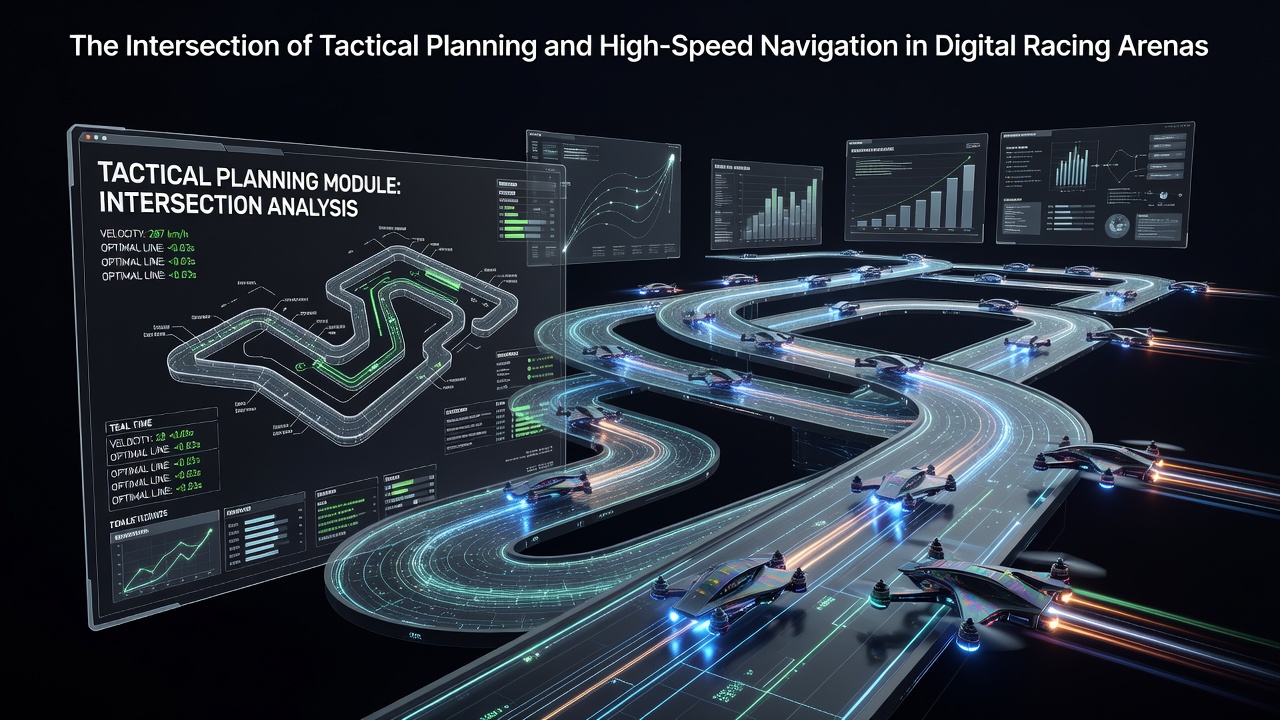
Digital racing arenas blend calculated route selection with split-second steering adjustments, and this combination shapes outcomes across professional simulators and casual platforms alike. Competitors analyze track layouts, weather variables, and competitor tendencies before races begin, while real-time navigation demands precise throttle control and overtaking decisions during each lap.
Core Elements of Tactical Preparation
Participants review telemetry data and historical performance metrics to identify optimal racing lines, fuel consumption rates, and tire wear patterns before events start. Teams in organized leagues allocate preparation time to study sector times and elevation changes, which allows drivers to adjust suspension settings and aerodynamic configurations in advance. Data from major competitions shows that pre-race analysis correlates with reduced lap times, as drivers who map pit strategies and alternate routes gain measurable advantages when conditions shift mid-event.
Software tools integrated into platforms like iRacing and Gran Turismo provide layered maps and predictive algorithms that highlight braking zones and acceleration points, and users incorporate these insights into customized setup files. Industry reports indicate steady growth in participation numbers through 2025, with projections extending into July 2026 when several regional circuits plan synchronized championship qualifiers.
High-Speed Navigation Mechanics
Once races commence, drivers execute continuous adjustments to maintain momentum through corners while monitoring proximity sensors and relative speed indicators on their displays. High-speed navigation requires integration of peripheral vision cues with digital overlays that signal upcoming elevation drops or surface changes, and successful competitors synchronize gear shifts with visual markers rather than relying solely on auditory feedback. Research from simulation training programs demonstrates that repeated exposure to variable traffic patterns improves reaction consistency, particularly when multiple vehicles contest the same apex.
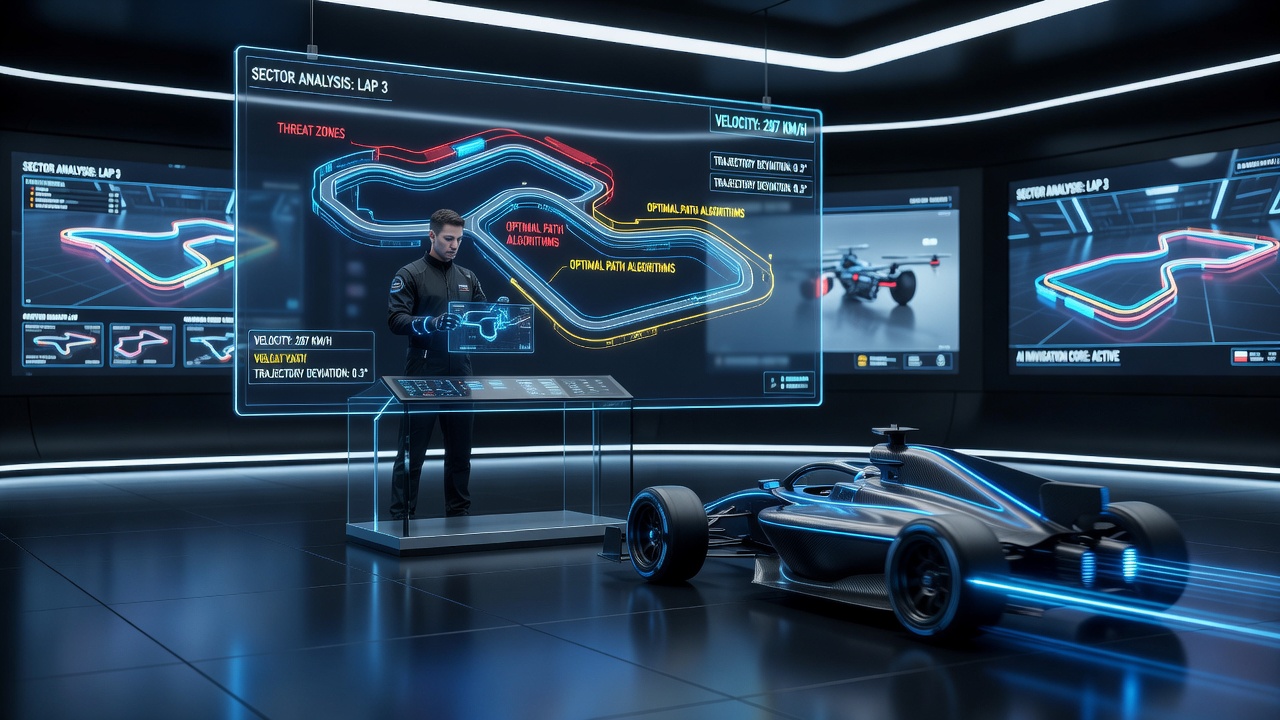
Physics engines in contemporary titles calculate grip levels based on temperature and track degradation, forcing navigators to adapt throttle inputs dynamically rather than following fixed patterns. Observers note that elite performers maintain higher average speeds by anticipating gaps in opposing formations, which stems directly from earlier tactical modeling of opponent tendencies.
Integration Across Professional and Amateur Circuits
Professional organizations coordinate rule sets that reward both qualifying performance and in-race adaptability, whereas amateur communities often emphasize shared setup files and post-session reviews to accelerate skill development. According to figures released by the Entertainment Software Association, racing genres accounted for consistent engagement hours across console and PC platforms in recent annual summaries, reflecting sustained interest in titles that combine planning layers with immediate control demands. In parallel, the Interactive Games and Entertainment Association of Australia documented rising membership in online racing leagues, highlighting regional differences in preferred hardware configurations and track selections.
Case examples from organized series reveal that squads which combine data analysts with on-track drivers achieve higher win rates because pre-event simulations test multiple scenarios against expected field behavior. This preparation feeds directly into navigation choices when unexpected incidents, such as mechanical failures or sudden weather shifts, alter the race flow.
Technology and Training Developments
Hardware advancements including force-feedback wheels and motion platforms deliver physical cues that align with digital telemetry, allowing drivers to feel track surface changes while processing strategic overlays. Training regimens now incorporate virtual reality modules that isolate specific corner complexes for repeated tactical drills, and performance tracking software logs decision points for later review. Studies conducted by university research groups have examined eye-tracking patterns during simulated races, finding that experienced participants allocate visual attention differently when balancing immediate obstacle avoidance with longer-term positioning goals.
Updates scheduled for mid-2026 across several simulation platforms introduce enhanced weather modeling and dynamic traffic density options, which will require updated tactical frameworks and refined navigation responses from existing user bases.
Conclusion
The intersection of tactical planning and high-speed navigation continues to define competitive standards in digital racing arenas, supported by expanding data resources, hardware refinements, and structured training approaches. Industry statistics and academic observations confirm that measurable performance gains arise when preparation informs real-time execution, and upcoming platform updates in 2026 are positioned to test these integrated skills further across global participant pools.