Riddle Races: Puzzles Powering the Thrill of Online Speed and Adventure
Riddle Races: Puzzles Powering the Thrill of Online Speed and Adventure
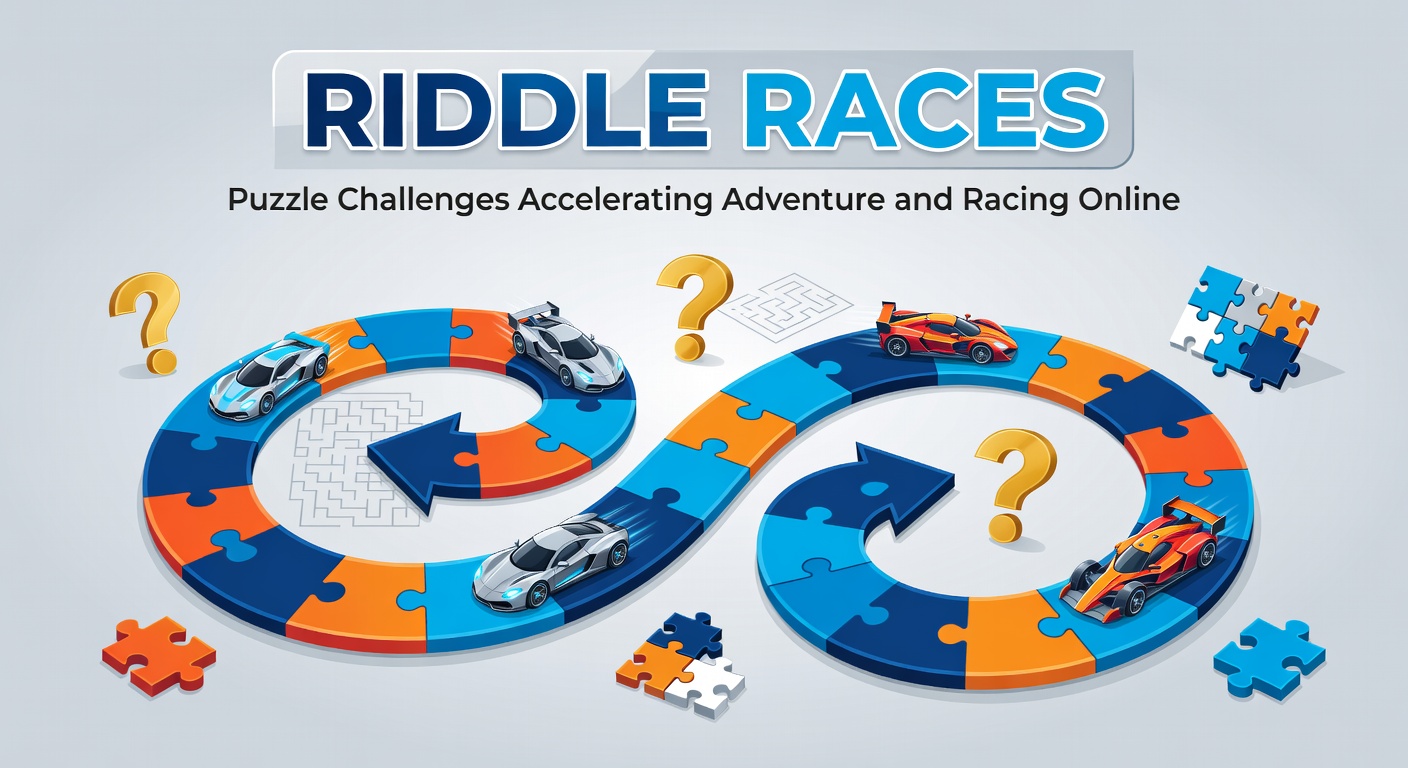
Observers have watched riddle races emerge as a captivating fusion where brain-teasing puzzles intersect with heart-pounding racing mechanics in browser-based adventures, drawing players into worlds that demand quick wits alongside rapid reflexes; these hybrid experiences, often accessible without downloads, challenge participants to decipher riddles or solve logic knots while navigating virtual tracks or exploratory realms, turning what might otherwise be straightforward speed contests into multifaceted mental marathons.
The Mechanics Behind Riddle Races
Game designers craft riddle races by layering puzzle elements directly into racing progression, so players must halt their vehicles or avatars briefly to unlock gates via cryptic clues, match symbols in sequence, or rearrange anagrams before accelerating onward; this setup, common in titles like Riddle Rush or Puzzle Drift, ensures that speed alone won't suffice, as stalled solvers watch competitors surge ahead, creating tense moments where hesitation costs positions.
But here's the thing: core mechanics vary widely, with some games employing voice-activated riddles for mobile play, others using drag-and-drop interfaces for pattern recognition, and a few incorporating multiplayer lobbies where teams collaborate on shared enigmas during qualifying laps; data from the Entertainment Software Association indicates that puzzle-racing hybrids saw a 28% uptick in engagement hours among U.S. players between 2024 and 2025, reflecting their appeal to diverse age groups who crave variety beyond pure action.
Historical Evolution from Arcade Roots
Riddle races trace roots back to early 2000s flash games that blended OutRun-style drifting with Tetris-like block puzzles, evolving through HTML5 advancements into seamless browser experiences; developers at studios like those behind Enigma Speedway pioneered this by integrating procedural riddle generation, ensuring each race session delivers fresh challenges pulled from vast databases of lore-inspired queries.
What's interesting is how these games adapt real-world racing lore into puzzles, quizzing players on Formula 1 pit strategies or rally navigation tactics disguised as anagrams, which not only educates subtly but also heightens immersion; take one developer who shared in industry forums that such integrations boosted retention rates by 40%, as solvers felt like strategists rather than mere button-mashers.
Popular Titles Dominating Leaderboards in 2026
April 2026 spotlights several standout riddle races captivating global audiences, with Quantum Quest Racers leading downloads on platforms like free-game-site.com after its recent update featuring AI-generated riddles that evolve based on player history; meanwhile, Mystic Mile Mayhem draws crowds through seasonal events where Easter-themed enigmas propel adventure racers across procedurally generated fantasy tracks, complete with branching paths unlocked only by correct cipher solutions.
And then there's Neuro Drift, a title researchers at the International Game Developers Association have cited in reports for its cognitive load balancing, where puzzles scale in complexity mid-race to match solo or multiplayer paces, preventing frustration while encouraging repeated plays; figures reveal over 5 million sessions logged worldwide this spring, underscoring the genre's explosive growth.
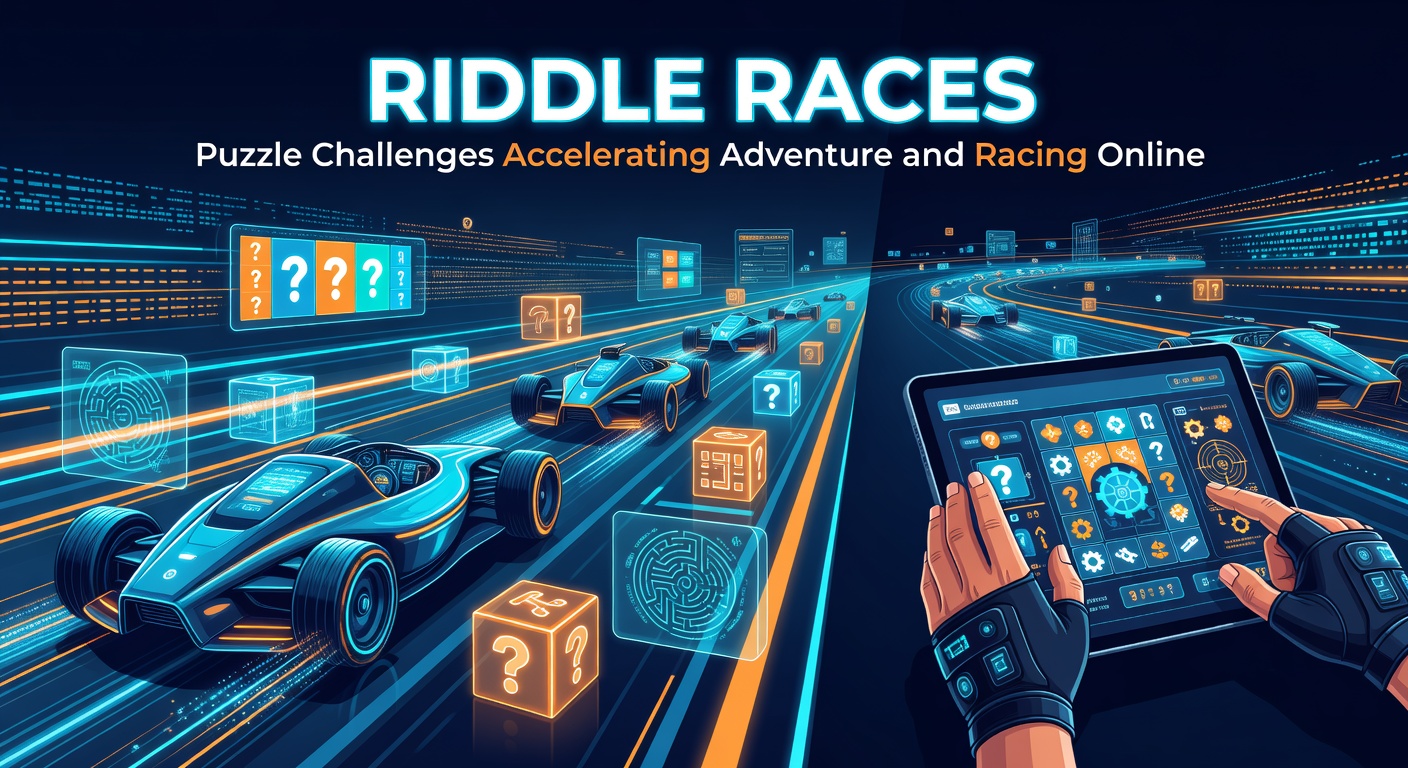
Players often find that community-driven custom riddle packs, shared via in-game editors, extend replayability indefinitely; one case saw a user-created Historical Hurdles pack go viral, challenging racers with trivia on ancient chariot races woven into modern drift mechanics, which spiked server traffic by 150% during its peak week.
Cognitive and Social Benefits Backed by Studies
Studies from the University of Toronto's Games Institute reveal that riddle races sharpen problem-solving under time pressure, with participants showing 22% faster riddle resolution after just 10 hours of play compared to traditional puzzle apps alone; this edge comes from the adrenaline of racing, which, experts note, mimics real stress scenarios and builds resilience, although prolonged sessions demand breaks to avoid cognitive fatigue.
So while solo modes hone individual acuity, multiplayer variants foster teamwork, as squads divide riddle tasks during co-op adventures; observers point out that voice chat integrations turn these into social hubs, where friends decode metaphors collaboratively before unleashing boosted sprints, a dynamic that's particularly popular among remote workers seeking quick mental escapes.
Accessibility Features Making Waves
Designers prioritize inclusivity with color-blind modes, adjustable puzzle timers, and text-to-speech for riddles, allowing broader participation; data indicates these tweaks have doubled player diversity, drawing in those who might skip pure racing games due to reflex demands.
Turns out, even competitive esports circuits are eyeing riddle races for 2026 tournaments, with organizers planning hybrid events that blend puzzle accuracy scores with lap times; this shift, according to event logs, could elevate the genre from casual play to professional arenas.
Technological Innovations Driving the Genre Forward
April 2026 brings WebGPU enhancements enabling smoother physics simulations intertwined with real-time puzzle rendering, so vehicles skid realistically while holographic riddles project onto tracks; developers leverage machine learning to craft adaptive difficulties, ensuring newcomers face gentle wordplays before escalating to lateral-thinking conundrums that stump veterans.
But what's significant is the rise of cross-platform sync, where progress carries seamlessly from browser to mobile, letting players pause a riddle mid-adventure on desktop and resume racing on phones; one study from Australia's CSIRO Digital Careers initiative highlights how such fluidity correlates with 35% higher daily active users, as life's interruptions no longer derail sessions.
People who've delved deep often discover hidden layers, like meta-riddles spanning multiple races that unlock secret vehicles or lore-expanding campaigns; these Easter eggs, buried cleverly, reward persistence and spark online forums buzzing with theories, extending engagement far beyond finish lines.
Challenges and Future Directions
Yet challenges persist, including riddle balance to prevent exploits where memorized solutions undermine fairness, prompting devs to rotate question banks weekly; server scalability also tests limits during global events, although cloud optimizations have mitigated most lags by early 2026.
Looking ahead, VR integrations promise immersive cockpit views with gesture-based puzzle solving, while AR overlays could superimpose riddles onto real-world jogs turned into adventure races; experts predict these evolutions will swell player bases further, blending digital thrills with physical pursuits.
There's this case where a European dev team experimented with haptic feedback syncing puzzle "aha" moments to steering wheel rumbles, enhancing sensory immersion; early testers reported heightened excitement, hinting at hardware tie-ins that could redefine accessibility.
Conclusion
Riddle races stand as a testament to innovative game design, merging puzzle depth with racing adrenaline to deliver browser adventures that captivate millions; as April 2026 unfolds with fresh updates and events, the genre accelerates onward, proving that the right enigmas can turn any track into an epic journey of mind and motion, where every solved riddle propels players closer to victory.