Puzzle Logic Enhancing Racing Tactics in Multiplayer Strategy Arenas
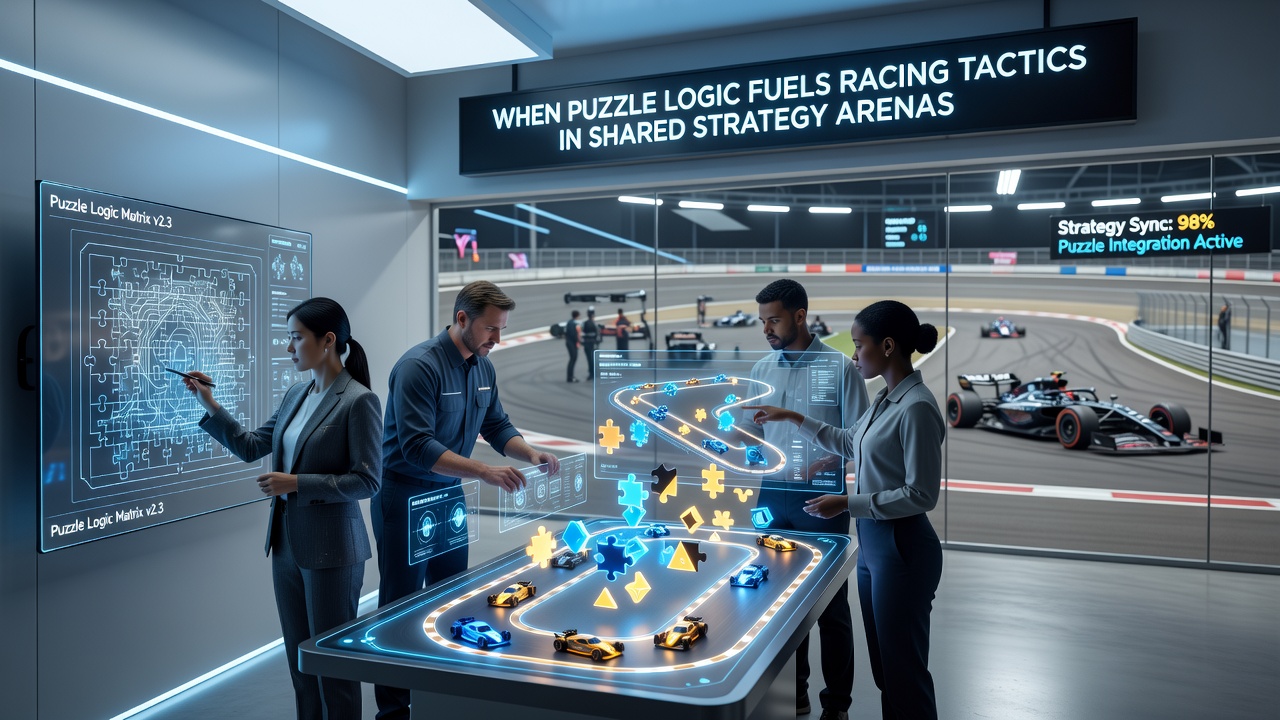
Strategy arenas that blend puzzle logic with racing tactics have gained traction among online gamers who seek layered challenges beyond simple speed contests, and these environments reward players who solve spatial problems while managing competitive routes. Game developers integrate grid-based puzzles or pattern recognition tasks into racing tracks, which forces participants to balance quick decisions with strategic foresight in shared spaces where multiple users interact simultaneously.
Core Mechanics That Connect Puzzles and Racing
Shared strategy arenas often feature modular track designs where puzzle segments appear at key junctions, requiring players to rearrange virtual blocks or decode sequences before advancing, and this setup turns pure racing into a hybrid activity that demands both cognitive processing and velocity control. Data from industry reports shows increased engagement in titles that layer these elements, since participants must anticipate opponents' moves while solving constraints that affect the entire arena layout.
Observers note that racing tactics evolve when puzzle logic dictates route availability, because one player unlocking a shortcut through a matching sequence might close off paths for others, which creates dynamic shifts in positioning throughout the match. Research from European gaming associations highlights how such mechanics encourage cooperative yet competitive play, as teams coordinate puzzle solutions to gain collective speed advantages without sacrificing individual positioning.
Player Behaviors in Evolving Arena Formats
Those who've studied multiplayer sessions observe that experienced participants prioritize puzzle resolution early in races to secure optimal lanes, whereas novices focus solely on acceleration and often encounter bottlenecks created by unsolved segments. This pattern appears consistently across platforms that host shared arenas, where timing puzzle completions aligns with lap milestones to maximize tactical edges.
Figures from North American trade groups reveal that arena matches incorporating these hybrids see higher retention rates compared to standalone racing modes, since the added cognitive layer sustains interest beyond initial laps. Players adapt by developing hybrid strategies that treat puzzle nodes as checkpoints, integrating them into broader path planning that accounts for rival interference in real time.
Design Patterns Observed in Recent Releases
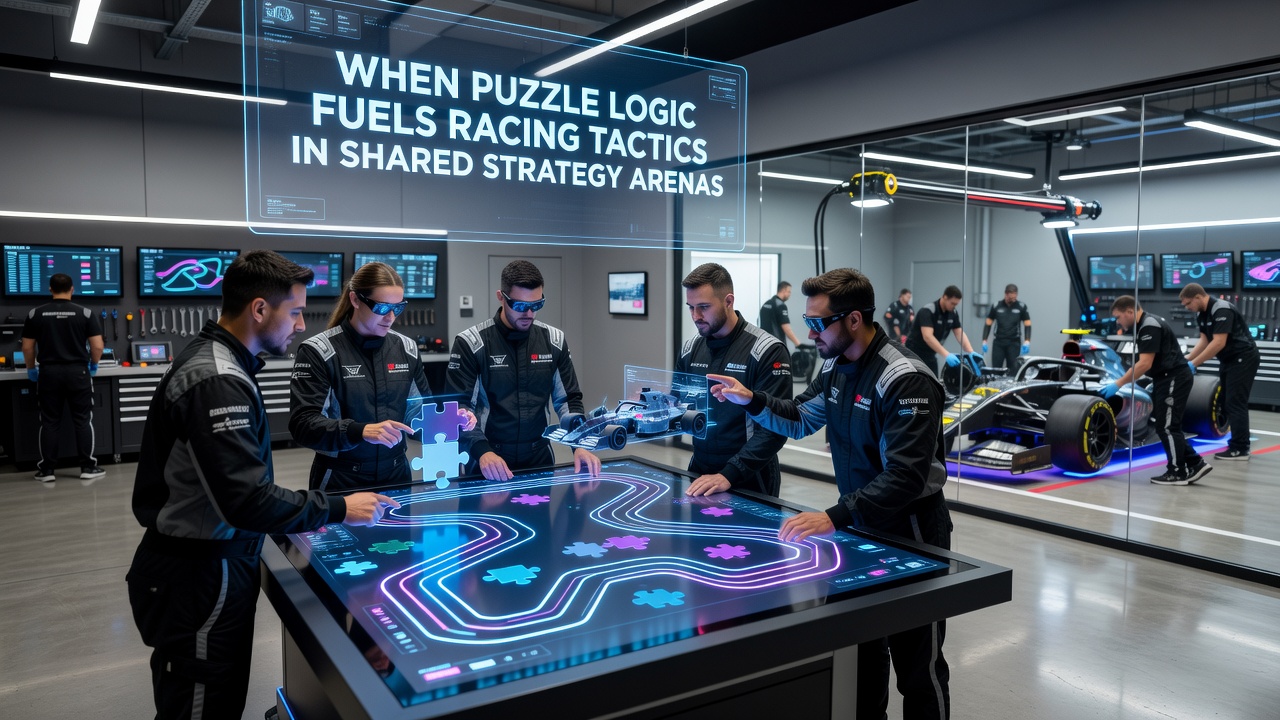
Developers have refined arena construction since earlier experiments, incorporating adaptive puzzle difficulty that scales with the number of active racers, which prevents bottlenecks while maintaining tension during high-traffic periods. Australian research institutions documented how these adjustments lead to more balanced outcomes, as the system redistributes puzzle complexity based on group size and average solve times.
What's notable is the emergence of shared puzzle resources that multiple racers can contribute to simultaneously, turning individual segments into collaborative opportunities that influence overall race standings. Such features appear in updates rolled out through 2025 and into mid-2026, where arena software began logging interaction data to refine balance across global servers.
Strategic Implications Across Different Regions
Regional variations in player approaches become evident when examining how puzzle-racing hybrids perform in diverse markets, with Asian arenas often emphasizing rapid pattern matching integrated into high-speed sections, whereas Western implementations lean toward resource allocation puzzles that affect long-term positioning. Reports compiled by international gaming bodies indicate these differences stem from cultural preferences in problem-solving speed versus planning depth.
One case where experts tracked arena performance involved a platform that introduced randomized puzzle triggers during peak racing moments, which led to measurable shifts in win distributions as players recalibrated tactics mid-match. These adjustments highlight how puzzle logic does not merely supplement racing but actively reshapes competitive hierarchies within shared spaces.
Conclusion
Integration of puzzle logic into racing tactics within shared strategy arenas continues to shape online multiplayer experiences by demanding simultaneous cognitive and kinetic skills from participants. Evidence from multiple sources underscores sustained interest in these formats as developers refine mechanics to support both individual and group strategies across varied player bases.