Mapping Multiplayer Feature Development in Arcade Action, Adventure, and Sports Titles
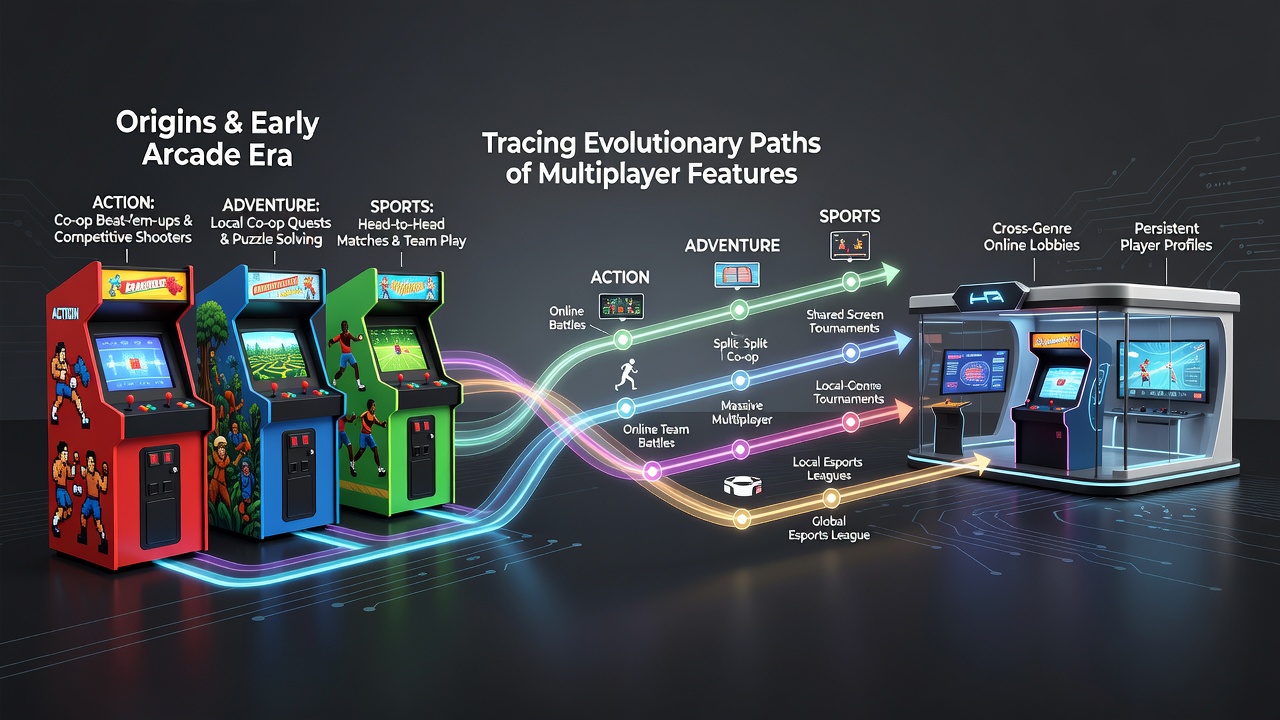
Arcade environments began incorporating shared play mechanics during the late 1970s when hardware limitations gave way to basic two-player alternating systems in action titles such as Space Invaders derivatives, and those designs quickly expanded into simultaneous modes by the early 1980s as cabinet manufacturers added dual joysticks and synchronized screens.
Researchers examining hardware logs from that era note that action genres led the shift because fast-paced enemy waves rewarded coordinated shooting, whereas adventure and sports implementations followed once memory costs dropped enough to support persistent character states across multiple inputs.
Action Genre Progression in Shared Play Systems
Action titles moved from single-screen duels in games like 1981's Wizard of Wor to scrolling co-op campaigns by the mid-1980s, with developers linking multiple cabinets through serial cables to create larger battlefields; industry records show that such linkages increased average play duration by factors reported in trade publications from the period.
Observers tracking cabinet production data indicate that fighting sub-genres within action further refined versus modes, allowing direct competition without requiring additional quarters per round, while cooperative beat-em-ups introduced character-specific abilities that encouraged repeated sessions among groups.
Adventure Titles and Their Multiplayer Adaptations
Adventure games in arcades initially relied on turn-based exploration limited by screen real estate, yet titles released after 1985 began experimenting with split-screen navigation that let two players manage separate party members simultaneously; archival cabinet schematics reveal added RAM banks dedicated to tracking independent quest progress.
Those who've reviewed Japanese arcade export statistics note that adventure multiplayer features often incorporated light role-playing elements, such as shared inventory management, which carried over when digital platforms emulated the original hardware in later decades.
Sports Implementations and Competitive Structures
Sports arcades adopted head-to-head formats earliest among the three categories because existing athletic rules translated directly to versus setups, with basketball and football cabinets from the 1980s featuring separate goalie controls and real-time score updates visible to both participants.
Figures compiled by regional trade groups show that four-player cabinet variants appeared in sports lines by the early 1990s, supporting team divisions that mirrored physical league structures, and network kits later allowed distant locations to compete without physical proximity.
Cross-Genre Influences and Digital Transitions
Shared mechanics began migrating across genres once developers observed successful elements in one category and adapted them elsewhere; action co-op health systems appeared in adventure hybrids, while sports ranking tables influenced persistent leaderboards in action titles. Data from arcade operator surveys conducted through 2025 indicate that hybrid cabinets combining elements from multiple genres accounted for increasing revenue shares in urban entertainment centers.
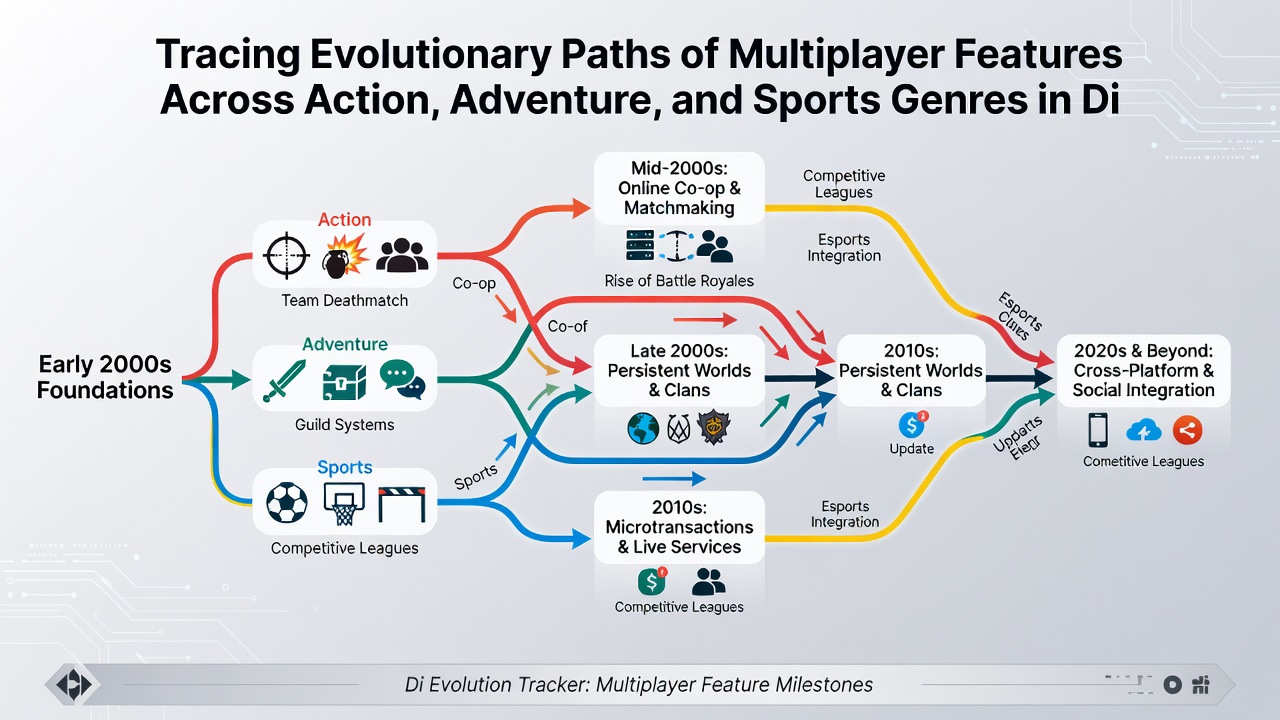
By the 2010s, digital arcades replaced physical coin mechanisms with card-based or app-linked systems that tracked player profiles across sessions, enabling features such as saved progress in adventure modes and tournament brackets in sports simulations; analysts reviewing global venue reports highlight that these systems reduced hardware downtime while expanding match-making pools beyond single locations.
Developments Reported Through Mid-2026
Industry updates released in July 2026 by the Entertainment Software Association documented continued integration of cloud-linked multiplayer in arcade-style installations, with action titles leading adoption of cross-genre lobbies that permit adventure players to join sports events without leaving the same virtual session. European gaming federation statistics from the same period further reveal that latency improvements allowed real-time synchronization across wider geographic areas than previous hardware generations supported.
Academic papers from Australian research institutions examining player retention metrics confirm that titles blending elements from all three genres maintained higher repeat engagement rates, attributing the pattern to varied multiplayer pacing that alternates between cooperative exploration segments and competitive scoring phases.
Conclusion
The documented trajectory shows multiplayer capabilities advancing from basic alternating turns to sophisticated networked ecosystems, with each genre contributing distinct innovations that later influenced the others. Continued hardware and connectivity refinements suggest further convergence in digital arcade spaces, where action speed, adventure persistence, and sports competition coexist within unified player experiences.