Mapping Genre Blends in Web-Based Quest and Athletic Competition Games
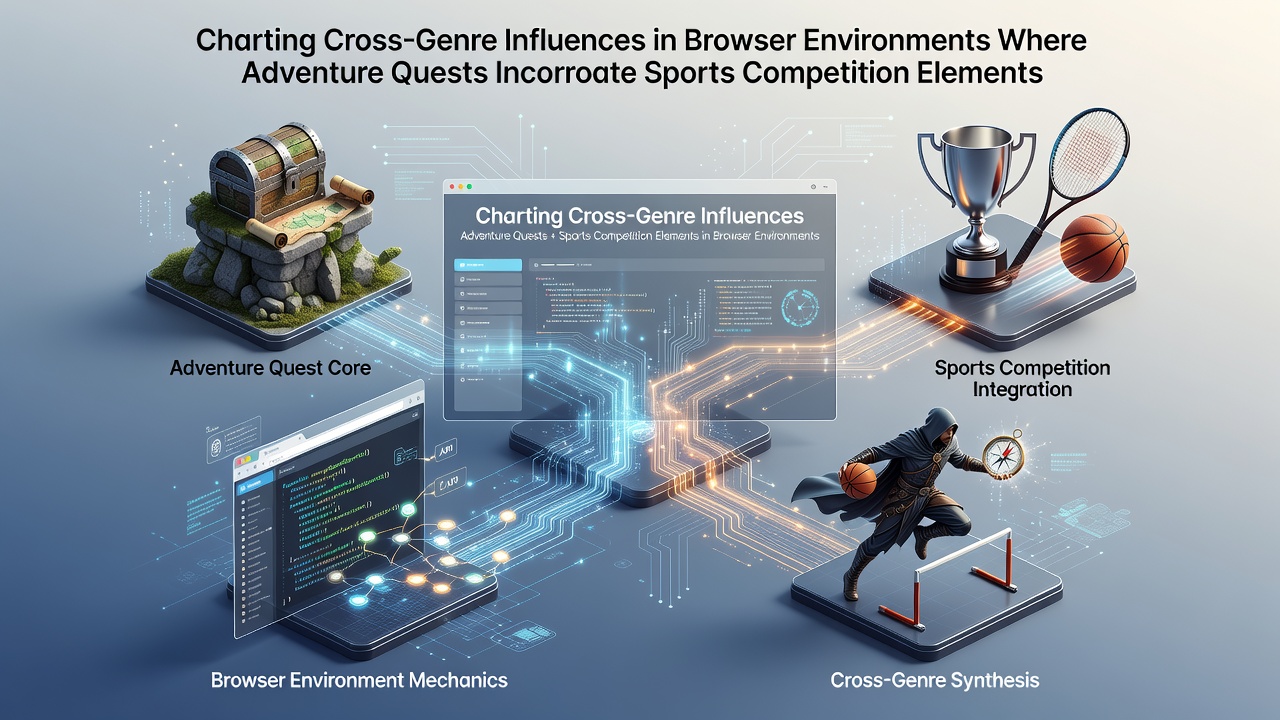
Browser environments have long served as testing grounds for experimental mechanics, and recent years reveal a steady rise in titles that fuse narrative-driven adventure quests with structured sports competition systems. Developers integrate exploration loops, character progression trees, and story branches alongside timed races, team matches, and tournament brackets, all while keeping the entire experience accessible through standard web browsers without downloads or installations.
Historical Patterns in Hybrid Development
Early browser games focused on single-genre formulas, yet by the mid-2010s several projects began layering athletic scoring systems onto quest frameworks. Observers note that these experiments often started with simple point multipliers awarded for completing physical challenges during story missions, then expanded into full leaderboards that tracked both narrative completion and competitive rankings. Data from industry reports indicate that such layering increased average session lengths because players returned to refine both their story choices and their athletic performance metrics.
Core Mechanics That Enable the Blend
Quest structures supply persistent worlds, inventory management, and dialogue trees, while sports elements introduce real-time input requirements, physics-based movement, and seasonal events. One common approach assigns stamina or energy values that players must manage across both exploration segments and competition rounds, creating natural tension between story advancement and tournament preparation. Another technique uses sports results to unlock new quest areas, so that victory in a virtual soccer match might open a previously blocked mountain pass filled with collectibles and side objectives.
Browser constraints shape these designs because HTML5 and WebGL handle both 2D side-scrolling adventures and lightweight 3D sports simulations within the same codebase. Developers therefore prioritize modular code that swaps camera perspectives and control schemes without reloading the entire application. This technical flexibility supports frequent content updates that keep both quest lines and competition seasons synchronized throughout the year.
Regional Development Trends Through Mid-2026
As of June 2026, European studios have published several case studies documenting how browser-based hybrids perform across different markets. Figures from the Interactive Software Federation of Europe show that titles combining quest progression with seasonal athletic leagues retained users at rates comparable to traditional multiplayer strategy games. Meanwhile, North American developers have emphasized cross-promotion with educational platforms, where schools incorporate these games into physical education modules that track virtual athletic achievements alongside reading comprehension quests.
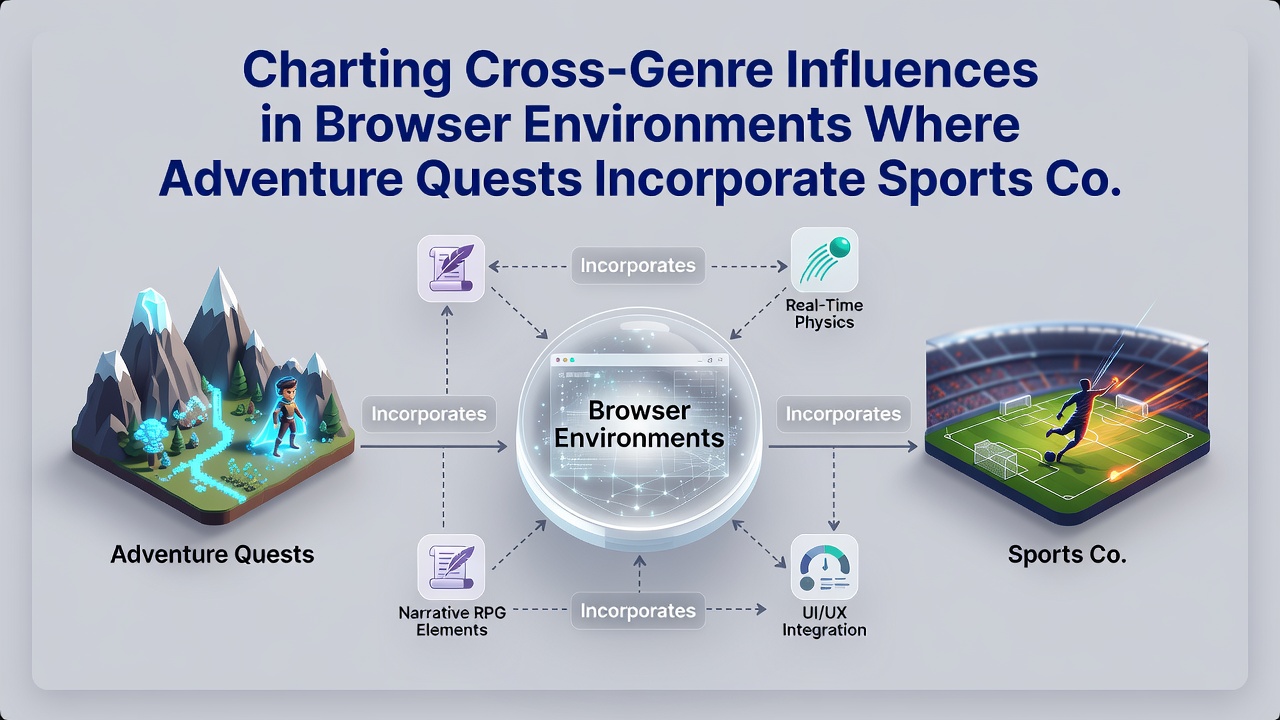
Academic researchers at institutions in Canada and Australia have examined player motivation patterns in these environments. Their analyses reveal that individuals who engage primarily with the sports components still complete significant portions of the embedded narrative because quest rewards directly enhance competitive gear and team statistics. Conversely, story-focused players discover that athletic training sequences provide resources required for advanced dialogue options and hidden endings.
Technical and Design Considerations
Performance remains critical because browser clients must maintain consistent frame rates during rapid switches between exploration and competition modes. Teams address this by preloading sports physics libraries while players navigate story hubs, then instantiating competition arenas only when events trigger. Accessibility features such as adjustable input sensitivity and color-blind modes apply equally to both quest navigation and sports controls, ensuring the hybrid experience stays inclusive.
Monetization models in these games typically rely on cosmetic customization for athletic avatars and quest characters rather than pay-to-win mechanics. Industry associations like the Entertainment Software Association have documented that transparent reward structures, where both narrative milestones and competitive rankings grant equivalent cosmetic options, correlate with higher community satisfaction scores across multiple regions.
Future Trajectories
Observers anticipate continued refinement of synchronization systems that allow global tournaments to influence shared world states. When large numbers of players complete a regional sports event, quest NPCs may react with new dialogue or altered environments, creating a feedback loop between competition outcomes and narrative evolution. Such systems require robust server architecture yet remain feasible within browser constraints through efficient WebSocket implementations.
Conclusion
Browser platforms continue to demonstrate that adventure quests and sports competition elements can coexist within unified experiences. Data gathered through 2026 illustrate measurable engagement benefits when developers align progression systems, reward structures, and technical pipelines across both genres. These hybrids illustrate how modular design practices enable ongoing experimentation while preserving accessibility for wide audiences.