How Browser Algorithms Drive Real-Time Strategy Choices in Hybrid Shooting and Adventure Scenarios
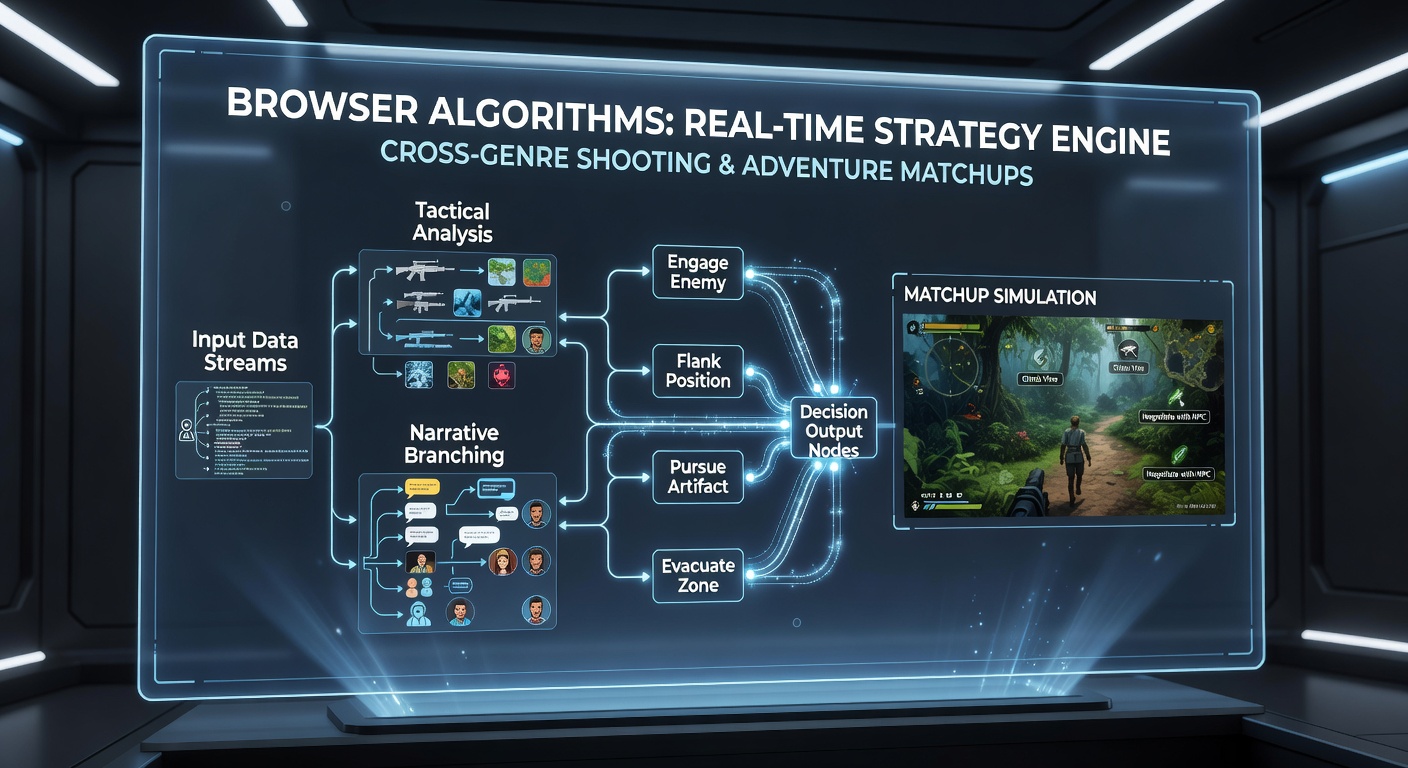
Browser environments process complex calculations that guide player decisions during live sessions where shooting sequences intersect with adventure exploration and strategic planning; these systems rely on established computational methods to handle pathfinding, opponent behavior modeling, and resource allocation in games that merge multiple genres.
Foundational Techniques Behind Browser Game Logic
Algorithms such as A* search and its variants calculate optimal routes through dynamic maps while players navigate adventure segments or reposition during shooting encounters, and data structures like decision trees evaluate multiple outcomes based on current game states to suggest or automate responses in real time. Observers note that these methods operate within browser constraints including limited processing power and network latency, which forces developers to optimize code for quick execution across different devices. Research from institutions like the University of Melbourne has documented how such optimizations maintain consistent performance in titles that blend fast-paced action with slower puzzle-like exploration.
Matchmaking systems apply rating algorithms derived from ELO principles to pair participants with comparable skill levels, and this pairing occurs before sessions begin so that strategy layers remain balanced when shooting mechanics combine with adventure objectives. Figures from industry reports show that these systems update rankings after each match using weighted factors for accuracy, speed, and objective completion.
Adaptations for Cross-Genre Dynamics
In games where shooting salvos transition into adventure navigation, algorithms adjust difficulty parameters on the fly by monitoring player input patterns and environmental variables, then they scale enemy aggression or item placement accordingly. Those who've examined browser titles observe that reinforcement learning models, trained on aggregated session data, predict likely player paths and pre-load assets to reduce interruptions during genre shifts. A study released by the Canadian Interactive Digital Software Association in early 2025 highlighted performance gains when these models integrate with traditional rule-based systems for handling hybrid scenarios.
Pathfinding routines expand beyond simple navigation when adventure elements introduce hidden objectives or branching storylines that affect combat positioning, and collision detection algorithms run in parallel to ensure shooting accuracy remains unaffected by exploration layers. Data indicates that browsers executing these routines achieve frame rates above 60 per second on standard hardware when code employs efficient JavaScript optimizations and WebAssembly modules.
Real-Time Decision Support in Live Matches
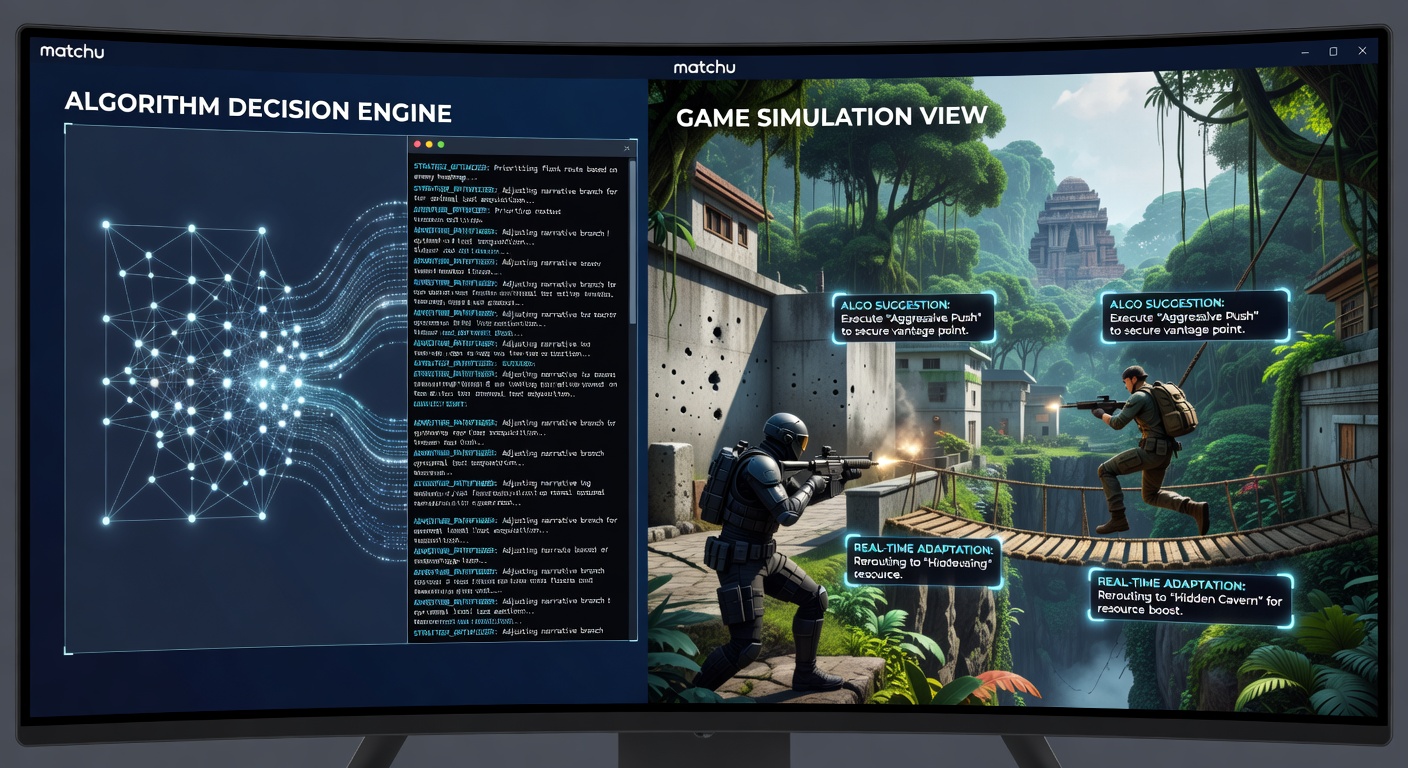
During active play, minimax and Monte Carlo tree search variants evaluate branching possibilities several moves ahead while accounting for opponent actions and random events, and these evaluations feed into user interfaces that display tactical suggestions without disrupting immersion. Experts have observed that such support proves especially relevant in matchups where one player focuses on ranged shooting while another pursues adventure goals like resource gathering or map unlocking. Updates rolled out in May 2026 introduced refined latency compensation techniques that synchronize these calculations across distributed servers, resulting in fewer desync events according to aggregated telemetry from major browser platforms.
Resource management modules track inventory and ability cooldowns in adventure contexts while simultaneously calculating damage outputs in shooting phases, and they use priority queues to resolve conflicts when multiple actions compete for processing time. Reports from the Australian Classification Board note that these integrated systems contribute to stable gameplay sessions lasting beyond thirty minutes without performance degradation.
Implementation Patterns Across Browser Titles
Developers embed these algorithms within modular codebases that allow genre-specific modules to share core functions, such as a shared pathfinding engine serving both shooting cover mechanics and adventure traversal routes. Case examples show games where adventure item collection directly influences shooting loadouts, and the underlying algorithms recalculate threat assessments each time an item enters or leaves the player's inventory. This interconnected approach reduces redundant computations and keeps decision latency under fifty milliseconds on average.
Network protocols handle state synchronization so that all participants view consistent strategy outcomes even when browser instances run on varied hardware configurations, and compression techniques minimize data transfer during frequent updates to match state. Those studying these systems report that adoption of standardized WebSocket extensions has accelerated since 2024, enabling more reliable real-time strategy exchanges in cross-genre settings.
Conclusion
Browser algorithms continue to underpin strategic depth in games that combine shooting precision with adventure progression, delivering consistent decision support through optimized search methods, adaptive matchmaking, and parallel processing routines. Ongoing refinements tracked through industry and academic channels demonstrate measurable improvements in session stability and cross-device compatibility as of May 2026, with further integration of learning-based components expected to expand tactical options in future hybrid matchups.