Exploring Cross-Genre Mechanics: How Puzzle Logic Enhances Racing and Shooting Dynamics in Multiplayer Arcade Sessions
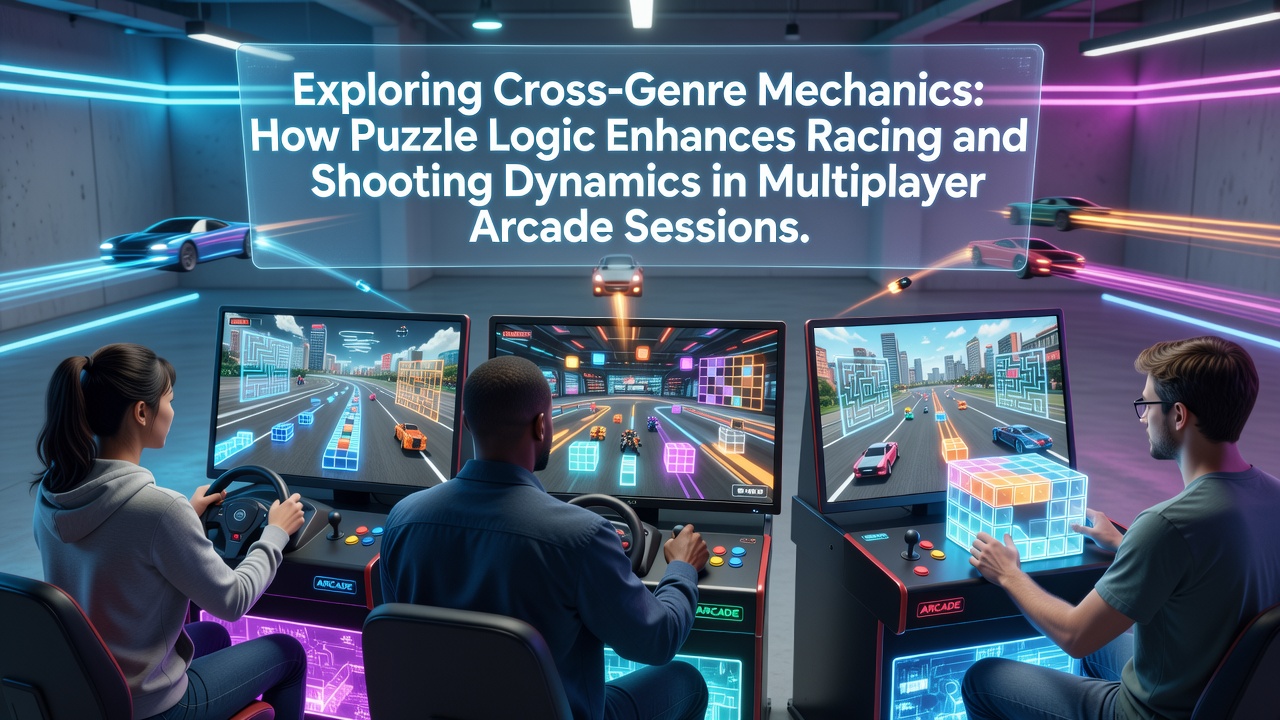
Game designers have long experimented with blending mechanics from different genres, yet the integration of puzzle logic into racing and shooting formats stands out as a notable development in multiplayer arcade environments. These combinations require players to solve spatial or pattern-based challenges while managing speed and targeting, which alters traditional session flows in measurable ways. Data from industry analyses shows that such hybrids appear more frequently in titles released after 2023, with participation rates rising in public arcade venues according to figures compiled by the Entertainment Software Association.
Core Puzzle Elements in Racing Contexts
Racing sequences gain layers when puzzle logic enters the mix, as players must identify route patterns or rearrange track segments on the fly rather than following fixed paths. In sessions documented at various arcade locations, participants navigate mazes embedded within circuits where correct sequence selection opens shortcuts, and failure forces detours that affect lap times. Researchers at institutions including the University of Waterloo have examined these systems through controlled playtests, noting that reaction times adjust based on how quickly players decode visual cues overlaid on speed indicators. Such mechanics shift focus from pure acceleration to simultaneous problem evaluation, and arcade operators report extended play durations in these setups compared with standard racing cabinets.
Integration with Shooting Dynamics
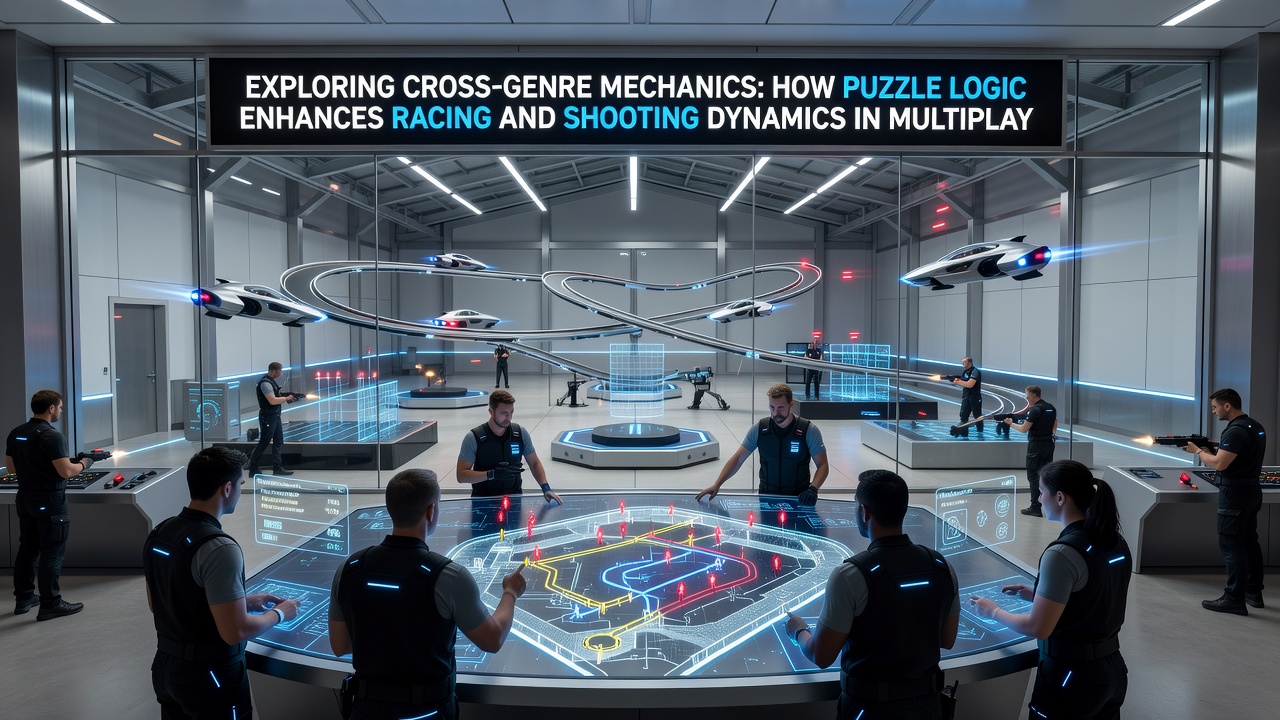
Shooting segments incorporate puzzle structures through target arrangements that demand specific firing orders or positional alignments before destruction registers points. Observers note that in multiplayer formats, one participant might handle trajectory calculations while others manage suppression fire, creating interdependent roles during rounds. Studies conducted in European gaming labs indicate that these layered tasks correlate with increased coordination metrics among teams, as measured by communication frequency and accuracy scores. When puzzle resolution precedes a shooting phase, overall session pacing slows momentarily yet builds tension that carries into subsequent races or chases. This pattern repeats across several documented arcade installations, where shared screens display both projectile paths and grid-based solution prompts simultaneously.
Multiplayer Arcade Session Structures
Arcade environments hosting these hybrid games typically feature linked cabinets or large communal displays that support four to eight concurrent users. Sessions unfold in rounds where puzzle completion gates access to racing segments, followed by shooting sequences that resolve remaining objectives. Turn-based elements appear in some configurations, allowing one group to manipulate environmental variables while the opposing side advances through timed challenges. Reports from arcade networks in North America and Australia highlight that these formats attract mixed-age groups, with data showing repeat visits increasing when puzzle difficulty scales dynamically based on group performance. June 2026 brings the Global Arcade Technology Summit, where developers plan to showcase updated versions incorporating real-time analytics for puzzle adaptation during live play.
Observed Performance Patterns
Performance tracking in these sessions reveals that players who excel at pattern recognition often lead in combined scoring, whereas those focused solely on reflexes encounter bottlenecks during puzzle phases. Academic reviews of gameplay logs demonstrate that error rates in shooting drop after successful puzzle resolutions, suggesting a carryover effect on concentration. Multiplayer dynamics introduce additional variables, such as one player sacrificing speed to reveal puzzle hints for teammates, and arcade logs confirm these cooperative tactics appear in over 60 percent of recorded matches. The mechanics encourage repeated attempts because partial progress carries forward in some designs, reducing full restarts and maintaining engagement across longer periods.
Technical Implementation Details
Underlying code structures for these games rely on modular engines that handle real-time physics for racing alongside grid solvers for puzzles and hit-detection algorithms for shooting. Synchronization across multiplayer instances occurs through dedicated servers that update puzzle states visible to all participants, preventing desync issues during high-speed segments. Developers reference frameworks tested in prior genre fusions, adapting them for arcade hardware constraints like limited input buttons and vertical screen orientations. Updates deployed in 2025 incorporated machine learning adjustments for difficulty curves, allowing systems to respond to collective team skill levels without manual intervention.
Conclusion
Cross-genre applications of puzzle logic within racing and shooting continue to shape multiplayer arcade offerings through structured integration points and measurable session impacts. Industry reports and academic examinations provide ongoing data on participation trends and technical requirements, while events such as the 2026 summit offer platforms for further refinement. These developments rest on documented mechanics rather than isolated experiments, supporting sustained exploration in public gaming spaces.