Decoding Cognitive Synergies: Puzzle Resolution and Racing Maneuvers in Arcade Strategy Frameworks
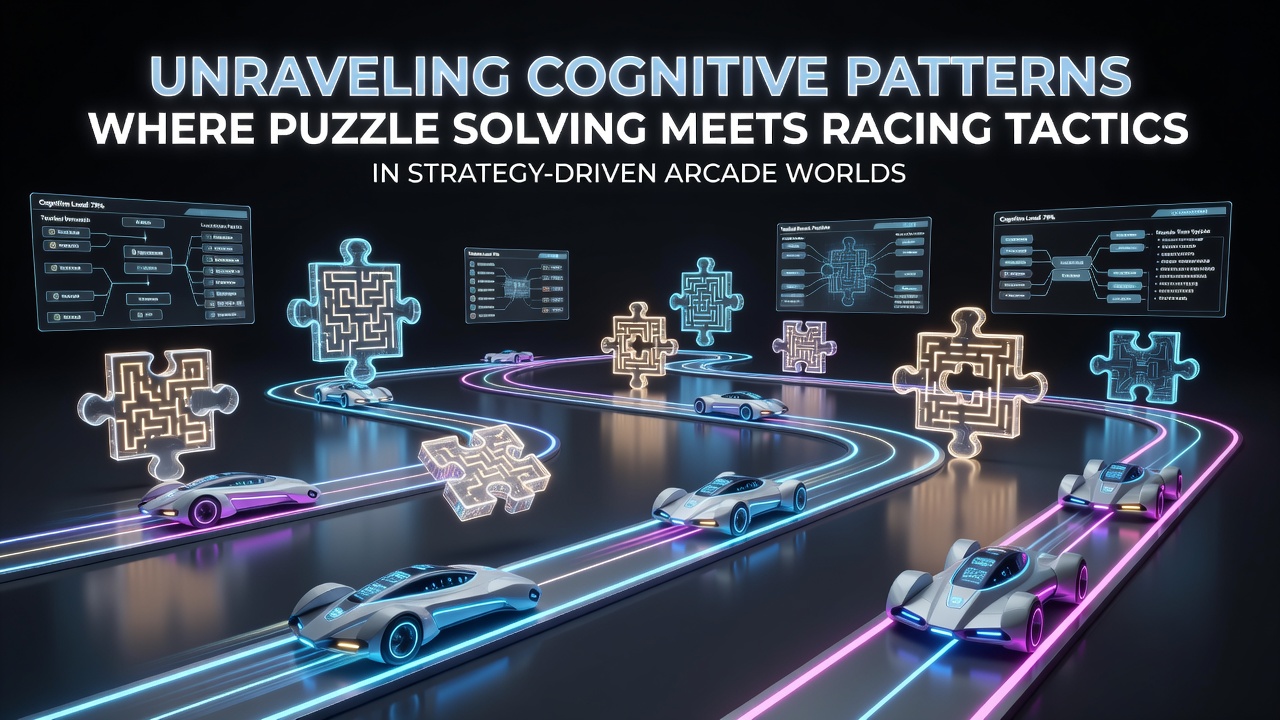
Players navigate environments where analytical puzzle resolution merges with rapid racing maneuvers, and this combination activates distinct cognitive pathways that researchers continue to map through controlled studies and performance tracking, while data from multiple gaming platforms shows consistent patterns in attention allocation and decision timing across thousands of sessions logged in 2025.
Core Cognitive Mechanisms at Work
Working memory handles spatial layouts during puzzle phases, yet it must switch quickly to velocity calculations when racing segments begin, and studies from institutions such as the University of Toronto indicate that this task-switching occurs within 300 milliseconds for experienced participants, allowing fluid progression through hybrid levels without significant performance drops. Executive function supports planning routes that satisfy both puzzle constraints and speed requirements, whereas perceptual speed governs reactions to moving obstacles that appear suddenly in arcade sequences.
Those who examine player telemetry note that error rates rise when puzzle complexity increases alongside racing speed thresholds, but training regimens that isolate each element before integration reduce these errors by measurable margins in subsequent trials, and figures from platform analytics reveal that average session durations extend when cognitive load remains balanced rather than spiked.
Design Elements That Shape Player Responses
Arcade titles in this category layer modular obstacles where solving a spatial alignment puzzle opens a temporary racing corridor, and this structure encourages players to maintain dual mental models simultaneously, while developers adjust timing windows based on aggregated data that tracks completion rates across demographic groups. Visual cues such as color-coded paths guide attention without overwhelming the field, yet auditory signals for upcoming speed boosts require separate processing channels that engage different brain regions according to neuroimaging summaries released in late 2025.
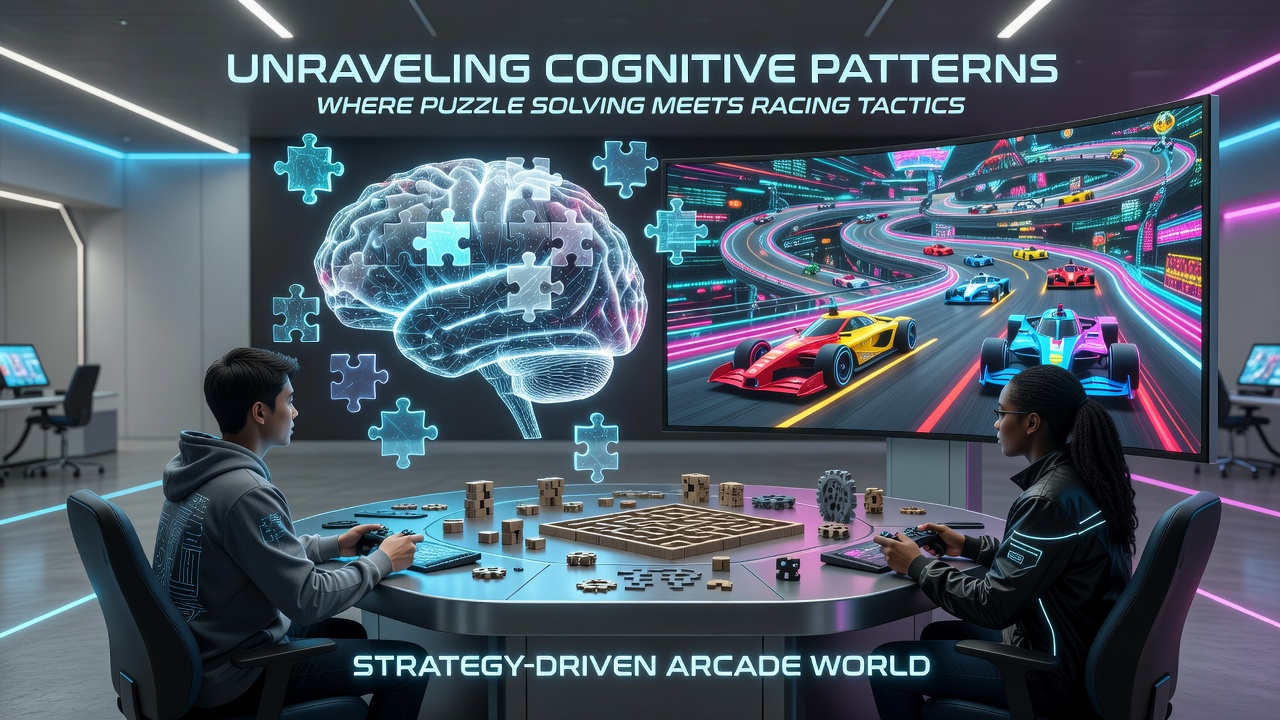
Level progression often escalates both puzzle intricacy and racing intensity in parallel increments, and this scaling method produces predictable shifts in strategy adoption as documented in reports from the Entertainment Software Association, where North American player samples demonstrate higher utilization of shortcut planning after repeated exposures to similar hybrid mechanics.
Performance Patterns Observed in June 2026 Data
Platform logs compiled through the first half of 2026 highlight a surge in hybrid arcade engagement during early summer months, and researchers attribute part of this increase to seasonal updates that introduced new racing-puzzle combinations on multiple services, while completion metrics show that players who master early integration stages maintain higher accuracy through later escalating challenges. Reaction time distributions narrow among those logging consistent play hours, suggesting adaptation in divided attention capacities that extends beyond individual game sessions.
Regional comparisons drawn from European and Australian datasets indicate parallel trends, although slight variations appear in preferred puzzle types that accompany racing segments, and industry summaries link these differences to interface conventions established in local development communities rather than inherent cognitive disparities.
Training Implications and Skill Transfer
Repeated exposure to these integrated challenges correlates with improvements in tasks outside gaming contexts that also demand simultaneous analysis and rapid execution, according to preliminary findings shared at academic gatherings in 2026, yet the extent of transfer depends on how closely the external activity mirrors the dual-demand structure found in the arcade titles. Observers tracking longitudinal player data note sustained gains in spatial reasoning scores after three months of regular hybrid play, provided session lengths stay within ranges that avoid fatigue accumulation.
Game designers incorporate adaptive difficulty that monitors individual puzzle solve times against racing segment performance, and this responsive scaling keeps cognitive engagement within optimal bands for continued skill refinement without inducing frustration plateaus that appear in static difficulty curves.
Conclusion
Hybrid arcade experiences that fuse puzzle resolution with racing tactics continue to supply rich datasets for understanding how humans coordinate multiple cognitive operations under time pressure, and ongoing collection efforts through 2026 and beyond will refine models of attention management that apply across entertainment platforms and training simulations alike.