Cognitive Skill Dynamics Emerge When Timers Meet Strategy in Browser Racing Games

Browser racing formats have evolved to combine rapid arcade timers with layered multiplayer strategy, creating environments where cognitive skills transfer across different mental processes. Data from industry reports indicate that players engage short-term reaction mechanisms alongside longer-term planning abilities during competitive sessions, and these interactions appear in platforms that support real-time browser play without additional downloads.
Arcade timers enforce strict countdowns that demand immediate responses to obstacles, speed adjustments, and checkpoint navigation. When these timers integrate with multiplayer elements, participants must track opponents' positions while managing their own resource allocation and route selection. Research conducted by academic groups shows measurable overlaps between the attention shifts required for timer adherence and the spatial reasoning used in group coordination.
Timer Mechanics and Initial Cognitive Demands
Standard browser racing titles present visible countdown displays that decrease in real time, prompting players to accelerate or brake based on remaining seconds. Studies from university laboratories reveal that such constraints activate areas of the brain associated with time perception and motor control, with performance metrics improving after repeated exposure across multiple sessions. In multiplayer contexts, the same timers force synchronization decisions, such as when to block a rival or conserve boost power for later segments of the track.
Observers note that these timer-driven actions often transfer to strategic layers when players begin anticipating collective movements rather than reacting solely to individual threats. Evidence from cognitive assessments suggests that repeated timer exposure strengthens working memory capacity, which then supports the simultaneous monitoring of teammate communications and opponent patterns in browser-based lobbies.
Multiplayer Strategy Layers and Skill Overlap
Multiplayer components introduce communication channels, shared objectives, and competitive positioning that extend beyond solo racing loops. Participants coordinate through text or voice overlays while executing maneuvers that account for group positioning. According to findings published by research institutions in North America and Europe, the executive function skills developed under timer pressure transfer effectively to these collaborative decisions, enabling faster evaluation of risk versus reward during joint maneuvers.
One documented case involved players transitioning from single-player timer challenges to team races, where prior timer training correlated with improved route optimization under pressure. Data collected through platform analytics in early 2026 demonstrated that groups incorporating timed practice routines achieved higher completion rates in strategy-heavy events compared to control groups without such preparation.
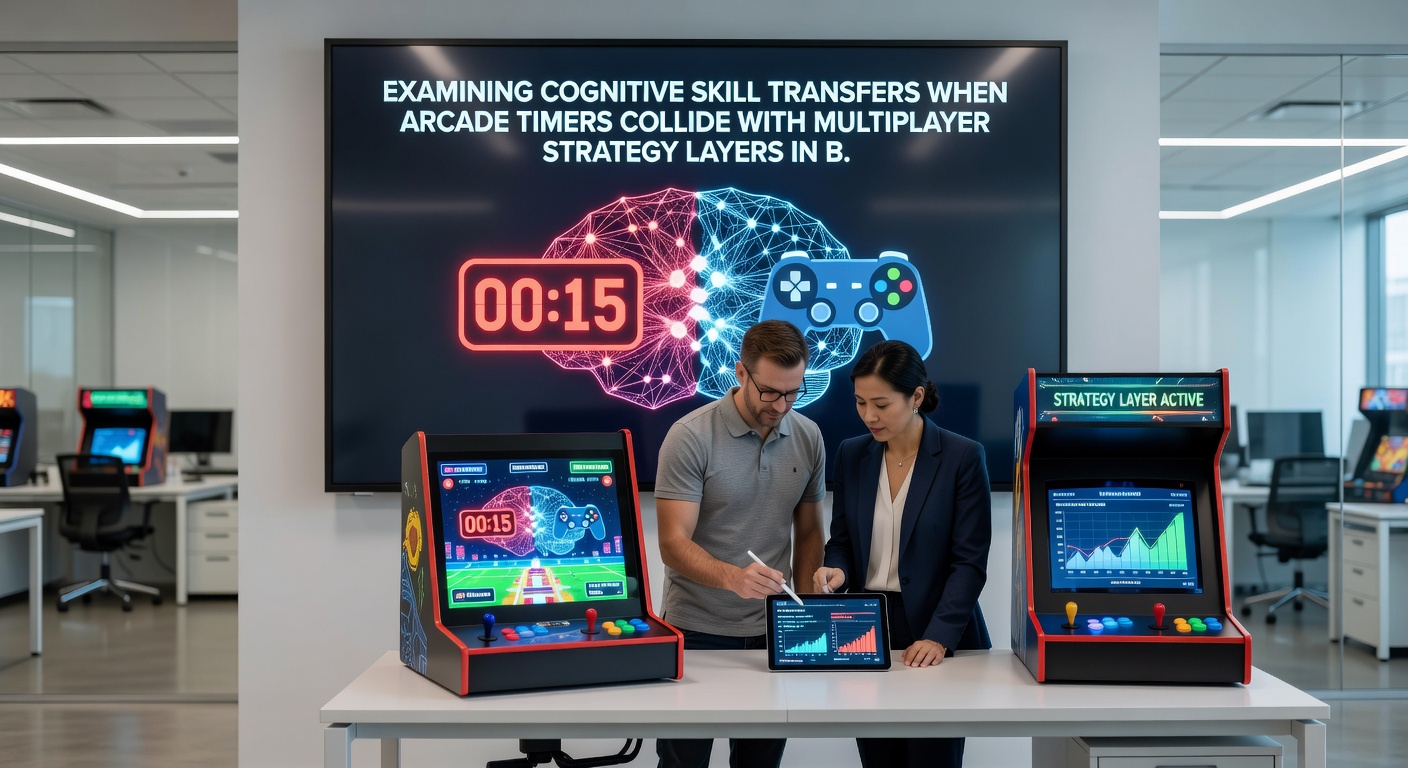
Interactions in June 2026 Browser Environments
During June 2026, several browser platforms updated their racing titles to refine timer synchronization with expanded multiplayer lobbies, resulting in observable changes to skill application patterns. Platform statistics released that month indicated increased session durations as players adapted to combined demands, with cognitive transfer effects appearing in reduced error rates during high-stakes final laps. Researchers tracking these updates through controlled experiments found that participants who balanced timer focus with strategic awareness maintained steadier performance across varying connection speeds typical of browser play.
What's interesting here involves the way visual cues from timers begin informing broader tactical choices, such as timing a slipstream maneuver to coincide with an opponent's resource depletion. Reports from Canadian and Australian gaming research centers highlight similar patterns where spatial navigation skills honed under arcade constraints support map-wide awareness in group competitions.
Evidence of Transfer Across Cognitive Domains
Transfer occurs when abilities practiced in one context influence performance in another, and browser racing provides clear instances through its dual requirements. Reaction speed cultivated by tight timers supports quicker interpretation of dynamic leaderboards, while planning developed in multiplayer scenarios aids in preempting timer expirations during critical stretches. Figures released by academic consortia reveal consistent correlations between practice volume in hybrid modes and gains in both domains, particularly among users aged 18 to 35 who engage daily.
Additional data from longitudinal tracking shows that these transfers persist beyond individual sessions when players rotate between different browser titles featuring comparable mechanics. Industry organizations tracking player behavior have recorded sustained improvements in multitasking efficiency, underscoring the role of integrated timer and strategy systems in facilitating such outcomes.
Conclusion
Browser racing formats continue to demonstrate how arcade timers and multiplayer strategy layers interact to promote cognitive skill transfers across reaction, memory, and planning functions. Information gathered through platform metrics and academic observation confirms these patterns without reliance on external hardware, and developments through mid-2026 have further highlighted their presence in updated environments. Continued examination by research bodies across regions provides ongoing insight into these mechanisms as formats evolve.