Browser Entertainment Ecosystems: Facts About No-Cost Digital Gaming

Browser entertainment ecosystems encompass a wide range of interactive experiences that operate directly through web browsers without requiring downloads or installations, and these platforms have expanded significantly since their early development in the late 1990s. Data from industry reports indicate that participation in such systems reached millions of users globally by the mid-2020s with growth driven by improved internet infrastructure and device compatibility.
Historical Development of Browser-Based Systems
Early iterations relied on technologies like Java applets and Flash which enabled basic interactive elements yet faced limitations in performance and security. Researchers at various academic institutions documented the shift toward HTML5 standards around 2010 which allowed smoother animations and better cross-device functionality while eliminating plugin dependencies. This transition coincided with the rise of mobile browsers that extended access beyond desktop computers.
By 2020 statistics compiled by the Entertainment Software Association showed that browser-accessible titles accounted for a notable portion of casual engagement metrics particularly in regions with high broadband penetration. The evolution continued as developers incorporated WebGL for three-dimensional graphics and WebRTC for real-time multiplayer interactions without external software.
Technical Foundations and Accessibility Features
Modern implementations utilize standardized web protocols that support instant loading through server-side rendering combined with client-side caching mechanisms. Observers note that these systems often integrate with cloud-based save functions allowing progress tracking across sessions on different devices. Accessibility options include adjustable controls keyboard navigation alternatives and color contrast adjustments which align with guidelines from international web consortiums.
Categories of Available Experiences
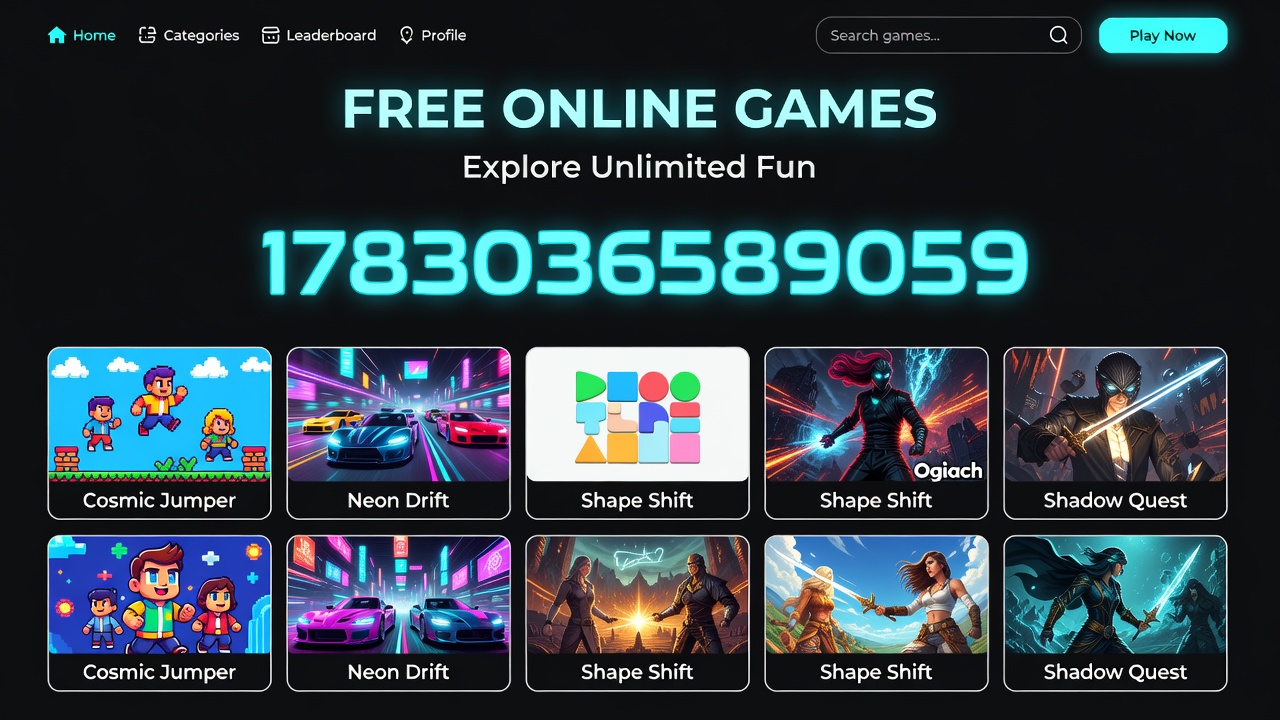
Platforms typically host puzzle formats strategy simulations and competitive multiplayer modes all delivered through the same browser interface. Data indicates that strategy-based titles frequently incorporate turn-based mechanics whereas action-oriented ones emphasize timing and coordination. Racing simulations use physics engines adapted for web performance to simulate vehicle handling and track conditions.
- Multiplayer lobbies connect participants from diverse geographic locations via peer-to-peer or dedicated server architectures
- Single-player modes offer offline-capable elements through progressive web app features in some cases
- Educational variants integrate factual content from history science and language studies into interactive frameworks
Figures from regulatory bodies in the European Union reveal that user sessions average between fifteen and forty-five minutes depending on genre complexity. These shorter engagement patterns distinguish browser ecosystems from console or dedicated client installations that often demand longer commitments.
Regional Participation Patterns and Data Insights
Participation varies by region with higher rates reported in areas with widespread mobile data coverage. A study referenced by Canadian government agencies on digital media consumption noted increased browser game activity during periods of restricted outdoor movement. In Australia the Interactive Games and Entertainment Association tracked similar trends through annual surveys that measured hours spent on web-delivered entertainment.
July 2026 saw announcements from several development studios regarding updates to compatibility layers for emerging browser versions which aimed to maintain performance across updated operating systems. These changes responded to shifts in user hardware preferences documented in contemporaneous industry analyses.
Safety Considerations and Platform Standards
Regulatory frameworks in multiple jurisdictions require age-appropriate content labeling and data privacy protections for interactive platforms. Users encounter verification processes that comply with standards set by bodies such as the US Federal Trade Commission when accessing certain features. Platforms often implement moderation tools that monitor chat functions and report systems to address conduct violations.
Evidence from academic papers published in technology journals demonstrates that encryption protocols protect user information during sessions although experts recommend reviewing individual site policies before engagement. Account creation remains optional on many systems with guest modes preserving anonymity for basic play.
Future Trajectories and Technological Integration
Developments in artificial intelligence integration promise adaptive difficulty adjustments that respond to individual performance metrics in real time. Observers from research institutions anticipate further incorporation of virtual reality elements through browser extensions though hardware requirements may limit initial adoption. Projections based on current adoption curves suggest continued expansion in educational and collaborative applications by the end of the decade.
Conclusion
Browser entertainment ecosystems represent a mature segment of digital interaction supported by evolving web standards and global connectivity improvements. Available data from varied international sources confirm steady participation across demographics with ongoing refinements in accessibility and content delivery. These systems continue to adapt through technological updates that maintain relevance amid changing user expectations and device landscapes.