Blending Speed and Strategy: Racing Dynamics Revolutionizing Puzzle Elements in Multiplayer Action Games
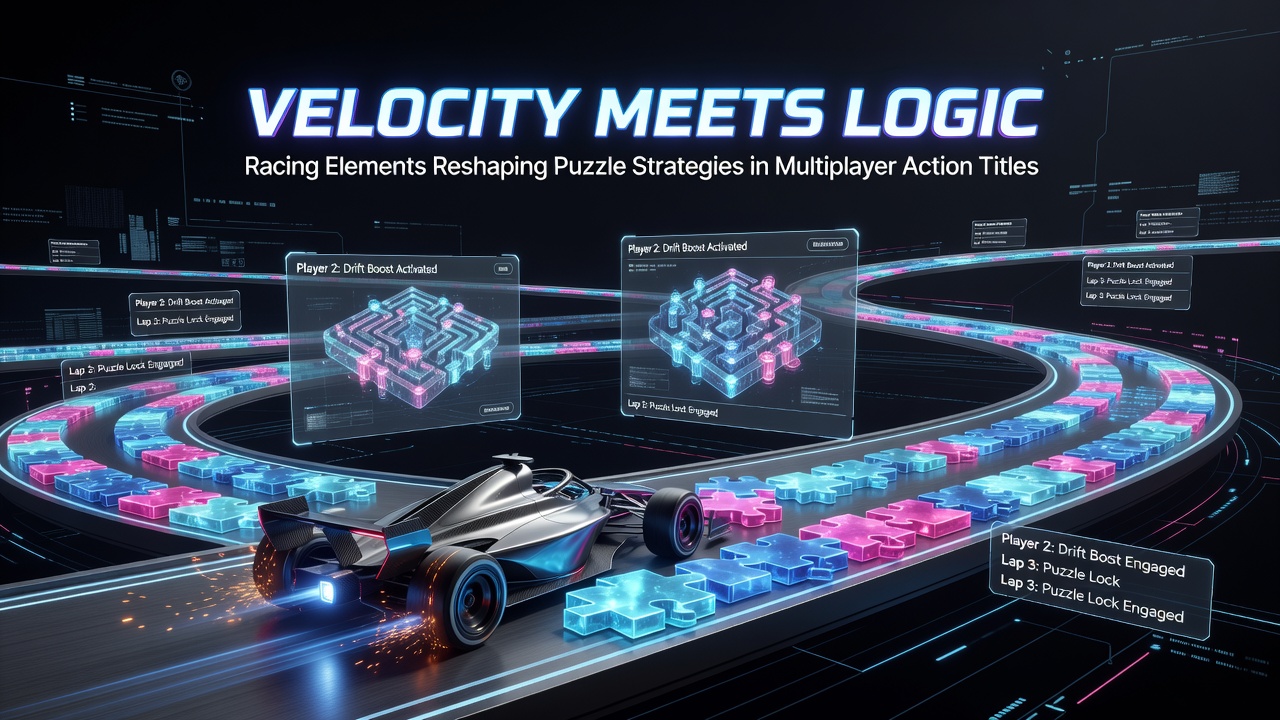
Multiplayer action titles have incorporated racing mechanics into puzzle frameworks for years, creating hybrid systems where velocity influences logical decision-making and team coordination, according to industry analyses from the Entertainment Software Association. Developers integrate track-based movement with spatial reasoning challenges, forcing participants to balance rapid navigation against strategic placement of elements such as barriers or collectibles that alter pathways for all players involved.
Core Mechanics Driving the Integration
Teams in these environments encounter scenarios where one participant's speed directly impacts another's ability to solve interlocking problems, such as redirecting moving platforms while others calculate optimal routes under time constraints, and data from market reports indicate rising adoption rates in titles released between 2023 and 2025. Racing segments often serve as timers for puzzle completion, compelling groups to optimize joint strategies rather than individual performance, while shared leaderboards track combined efficiency metrics across sessions.
Designers draw from established racing genres to layer velocity onto traditional logic grids, resulting in maps that require synchronized acceleration bursts to trigger environmental changes like opening gates or activating switches in sequence. Observers note that such fusions appear frequently in games emphasizing cooperative survival elements, where a single miscalculated turn disrupts the entire party's progress toward shared objectives.
Player Adaptation Patterns in Competitive Settings
Research conducted by academic institutions across North America and Europe reveals that participants develop hybrid skill sets combining spatial awareness from racing simulations with deductive reasoning typical of puzzle formats. In June 2026, updates to several major multiplayer platforms introduced refined physics engines that heightened the precision required for these blended challenges, leading to documented shifts in community strategies shared on developer forums and strategy databases.
Groups often assign roles based on individual strengths, with faster players handling momentum-driven segments and others managing static calculations, which streamlines overall completion times according to aggregated player data. This division emerges naturally in titles supporting four to eight concurrent users, where communication tools facilitate real-time adjustments to racing trajectories that affect puzzle states for everyone.
Industry Trends and Design Evolution
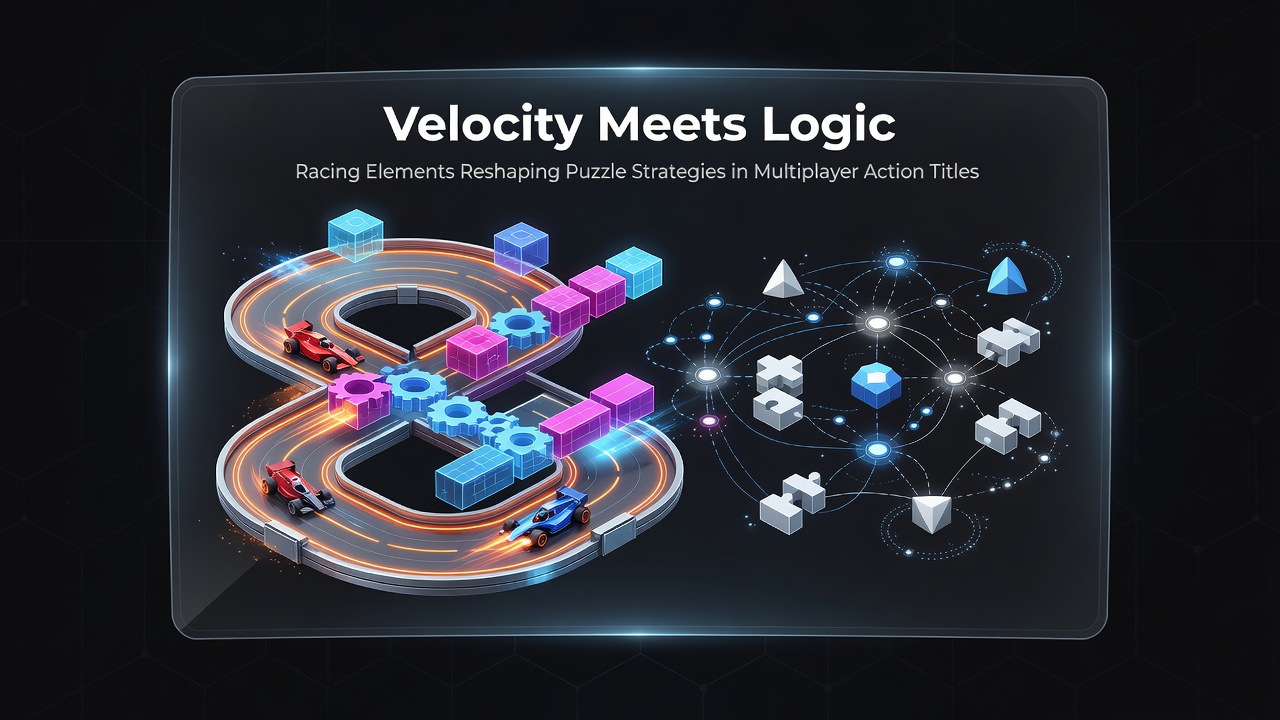
Reports from the Interactive Software Federation of Europe highlight increased investment in hybrid gameplay loops that merge racing velocity with puzzle knot structures, particularly in free-to-access multiplayer experiences available across global regions. These developments build upon earlier arcade influences while incorporating modern networking capabilities that allow seamless transitions between high-speed segments and deliberate problem-solving phases.
Engineers refine collision detection and pathfinding algorithms to support simultaneous player inputs without desynchronization, ensuring that racing elements enhance rather than overshadow logical components. Case examples from recent releases demonstrate how modular track designs permit community modifications, extending replay value through custom puzzles that embed velocity requirements into core logic frameworks.
Future Implications for Multiplayer Ecosystems
Analyses from research bodies in Australia and Canada project continued expansion of these mechanics into emerging virtual environments, where racing puzzles could integrate with procedural generation systems to create varied challenges per session. Such advancements support broader accessibility features, including adjustable speed modifiers that accommodate diverse player skill levels without altering fundamental strategic demands.
Platform holders continue to refine matchmaking algorithms that pair participants with complementary abilities in velocity-logic hybrids, fostering environments where collective success depends on integrated racing and reasoning proficiency. This ongoing evolution reflects broader patterns in action game development, where cross-genre influences sustain engagement across expanding user bases worldwide.
Conclusion
Velocity and logic continue to intersect in multiplayer action titles through deliberate design choices that reward coordinated execution, with industry metrics confirming sustained interest in these hybrid approaches. As platforms evolve, the interplay between racing dynamics and puzzle strategies shapes competitive and cooperative play patterns in measurable ways, supported by ongoing technical refinements and player-driven adaptations documented in sector reports.