Arcade Mechanics Powering Team-Based Evolution in Virtual Sports and Precision Shooter Arenas

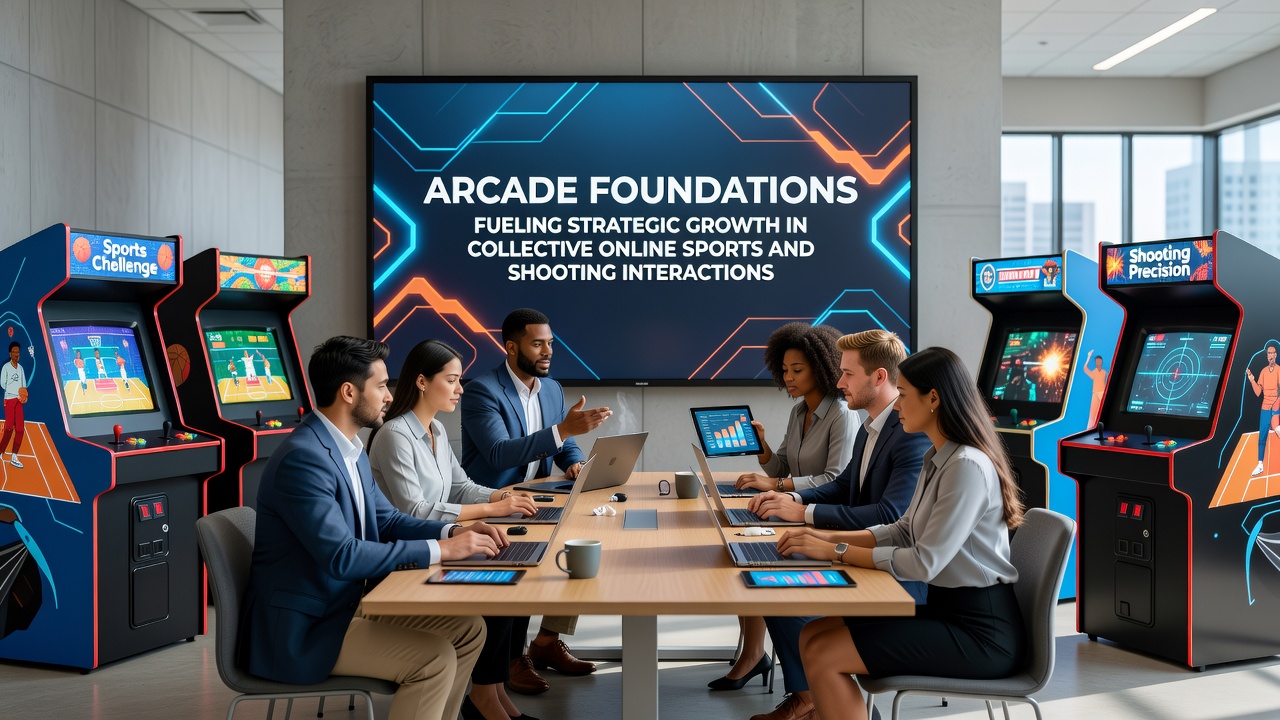
Arcade foundations continue to shape collective online sports and shooting interactions through core elements such as rapid feedback loops, competitive scoring systems, and session-based challenges that originated in physical coin-operated machines during the late 1970s and early 1980s. Data from industry reports indicates these mechanics have migrated into digital multiplayer environments where participants coordinate strategies across global networks.
Historical Transfer of Arcade Principles
Researchers at academic institutions have documented how early arcade titles emphasized immediate player input and visible progression metrics that transferred directly into browser-based and client-server models of the 2000s. Observers note that high-score tables evolved into leaderboards and ranking algorithms used in team sports simulations and tactical shooting platforms. Studies conducted through 2025 show that retention rates in multiplayer sessions increase when designers incorporate short-burst rounds reminiscent of classic arcade stages.
Industry associations such as the Entertainment Software Association compile annual figures revealing sustained growth in genres that blend athletic simulation with shooter mechanics. These reports track participation metrics across regions including North America, Europe, and Asia-Pacific markets. Figures reveal that collective modes attract larger user bases because they reward coordinated timing and resource management drawn from arcade-era constraints.
Strategic Elements in Collective Sports Platforms
Virtual soccer and basketball environments apply arcade-derived power-up collection and timed objective systems to foster group decision-making during matches. Players often discover that positioning and passing sequences mirror the spatial awareness required in overhead-view arcade sports titles from previous decades. Data shows these integrations produce measurable spikes in concurrent users during seasonal events.
Precision and Timing in Online Shooting Interactions
Shooter titles incorporate reload timers, accuracy multipliers, and wave-based enemy patterns that echo arcade shoot-em-up structures. Teams coordinate reload cycles and flanking maneuvers in real time, creating emergent strategies that build upon foundational reward mechanics. Reports from research institutions in Canada highlight how these patterns support extended engagement periods without requiring continuous financial investment from participants.
One case documented by analysts involves shooter lobbies where players accumulate points through successive rounds, directly paralleling the credit system of original arcade cabinets. This structure encourages repeated entries into matches while maintaining balance across skill levels through matchmaking algorithms refined since the mid-2010s.
Market Indicators Through Mid-2026
Projections compiled ahead of July 2026 anticipate continued expansion in hybrid sports-shooter formats as developers refine cross-platform compatibility. Regulatory bodies in Australia publish periodic updates on digital entertainment consumption that include metrics on multiplayer session durations. These updates show consistent patterns where arcade-influenced design choices correlate with higher rates of social feature utilization.
Trade organizations track revenue streams generated through cosmetic upgrades and tournament entries rather than core access fees. Evidence suggests that collective interactions benefit when progression systems retain the visible, incremental rewards typical of arcade machines. Analysts observe that such systems reduce barriers for new participants joining established groups.
Integration Patterns Across Regions
European research consortia have examined how localized server architectures support low-latency coordination essential for team-based objectives in both sports and shooting contexts. Their findings indicate that latency reduction technologies amplify the effectiveness of timing-based strategies inherited from arcade origins. Similar observations appear in reports covering North American infrastructure investments.
Academic papers from universities in Asia detail user behavior studies where participants adapt arcade-style risk assessment to larger scale battles involving dozens of simultaneous actors. These adaptations produce distinct tactical meta-games that evolve through community-driven updates released at regular intervals.
Conclusion
Arcade foundations supply structural frameworks that enable scalable strategic depth in collective online sports and shooting interactions. Documentation from multiple sources demonstrates sustained application of scoring visibility, session pacing, and competitive feedback across evolving platforms. Continued monitoring through 2026 and beyond will track how these elements adapt to new hardware capabilities and regional participation trends.